 English
 Français
News
Home / News / Industry News / Soy Wax vs Paraffin vs Coconut Wax: A Buyer's Complete Comparison Guide
Content
Pick up two candles with near-identical fragrances, place them side by side, and light them both. One fills the room in minutes; the other builds slowly. One leaves a ring of black soot on the glass; the other burns clean to the bottom. Same scent. Different wax. That gap in performance — and in consumer perception — is exactly what makes wax selection one of the most consequential decisions in candle product development.
For brand buyers and OEM clients sourcing scented candles at scale, choosing between soy wax, paraffin, and coconut wax is not a matter of personal preference. It is a strategic call that shapes your cost structure, your brand positioning, and what your end customer experiences every time they light the wick. This guide lays out the data so you can make that call with confidence.
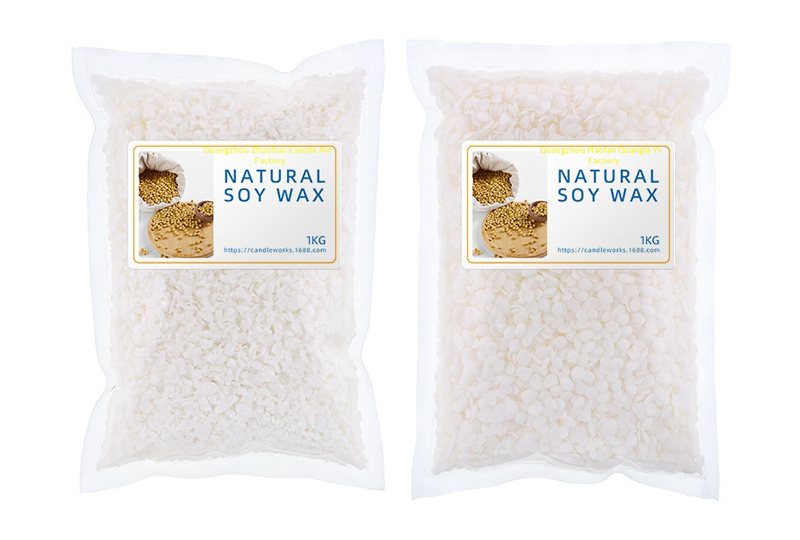
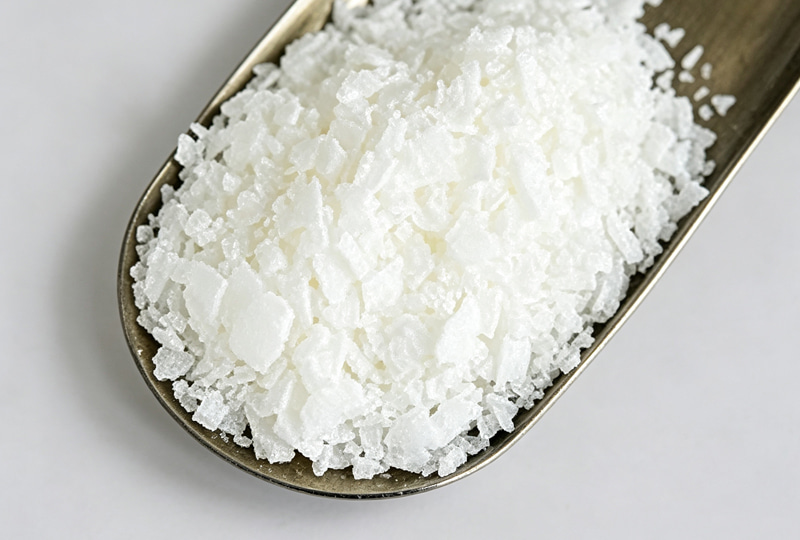
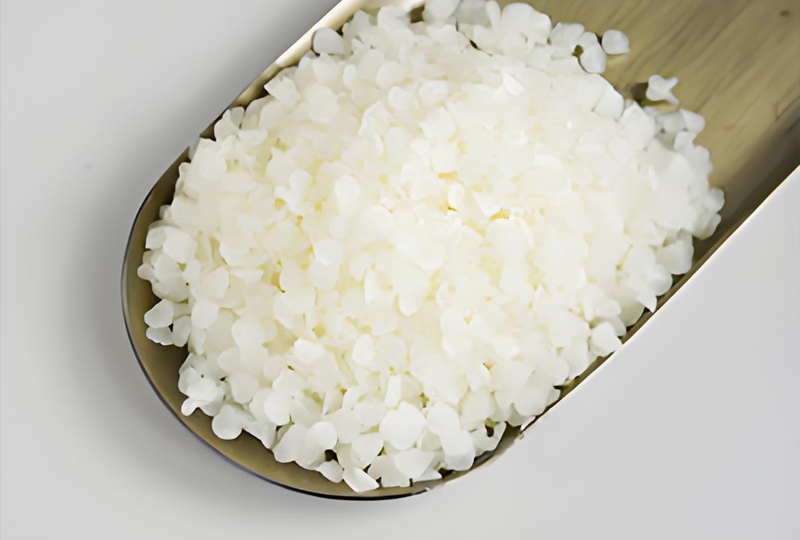
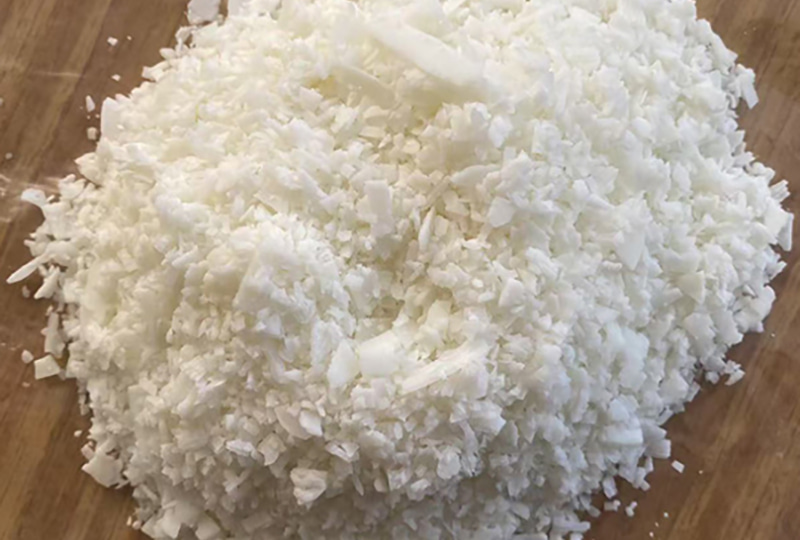
Soy wax is made by hydrogenating soybean oil — a process that converts liquid oil into a stable solid wax. It entered the candle market commercially in the early 1990s and has since become the default choice for mid-market natural candle brands worldwide.
From a performance standpoint, soy wax burns 30–50% longer than paraffin at equivalent weights, thanks to its lower melting point (typically 49–54°C / 120–130°F). It produces minimal soot under proper wick conditions, making it well-suited for bedroom and living room environments where air quality matters to consumers. Fragrance load capacity sits at 6–10% by weight, and the scent release is gradual and even — not an immediate burst, but a consistent ambient warmth that builds over time.
One limitation worth noting: soy wax sometimes develops surface frosting — a white crystalline bloom — particularly in cooler storage environments. This does not affect burn quality, but it can impact shelf presentation for retail-ready products. Proper formulation and temperature control during pouring minimize this issue.
On the cost side, soy wax and coconut wax raw materials sit at different price points, with soy offering the more accessible entry for brands building out their natural product line without paying a premium. For brands targeting the eco-conscious mid-market — think clean ingredients, recyclable packaging, and a renewable story — soy wax is rarely the wrong answer.
Paraffin is a petroleum byproduct composed of straight-chain hydrocarbons, and it has been the dominant candle wax since the 19th century. The reason is straightforward: it is cheap, highly consistent, and exceptionally good at carrying fragrance.
Paraffin's fragrance load capacity reaches 10–12% by weight — the highest of the three waxes covered here — and its molecular structure disperses scent quickly and intensely. For mass-market products where a strong cold throw (scent experienced before lighting) and immediate hot throw matter above all else, paraffin consistently outperforms plant-based alternatives. It also takes dye exceptionally well, supports high colour saturation, and is compatible with nearly every candle format: container, pillar, votive, taper.
The trade-offs are real, however. Paraffin burns roughly 30–50% faster than soy wax, which affects perceived value in higher price brackets. More significantly, it can produce visible soot and trace volatile organic compounds (VOCs) — particularly with lower-grade formulations or improperly sized wicks. This is not a dealbreaker for high-volume mass-market products, but it does create friction when targeting wellness-conscious consumers, households with children, or markets with tightening indoor air quality expectations.
For OEM buyers producing large-run, competitively priced candles destined for mass retail or promotional gifting, paraffin remains the most cost-efficient base material. The key is pairing it with quality fragrance oils and correct wick sizing to mitigate soot output.
Coconut wax is derived from cold-pressed or hydrogenated coconut oil. It is the newest of the three major wax types in commercial candle production — and consistently the most expensive. That price premium, however, buys a distinct set of performance advantages that matter considerably for luxury and boutique product lines.
Coconut wax has a lower melting point than soy wax, which means it burns cooler and typically 10–15% longer. Its fragrance retention capacity ranges from 8–12% by weight, and crucially, it bonds with fragrance oils differently than soy does — releasing scent more evenly across the full burn lifecycle rather than concentrated at the top. This produces the "rich but not overwhelming" aroma profile that premium candle buyers actively look for.
Visually, coconut wax delivers a smooth, creamy white surface with excellent glass adhesion and minimal frosting. For retail products in clear glass or ceramic vessels, the aesthetic difference compared to soy is immediately noticeable. Pure coconut wax does require careful formulation — its low melt point can make structural integrity a challenge in warmer climates, which is why most manufacturers use coconut-soy blends rather than 100% coconut.
The sourcing footprint of coconut wax is also genuinely clean: coconut palms produce high yields per acre, require no irrigation, and are biodegradable. For brands building a luxury-and-sustainability narrative simultaneously, coconut wax delivers both without compromise.
The table below summarises the key technical and commercial attributes of each wax type to support procurement decisions.
| Attribute | Soy Wax | Paraffin Wax | Coconut Wax |
|---|---|---|---|
| Source | Hydrogenated soybean oil | Petroleum refining byproduct | Hydrogenated coconut oil |
| Melting Point | 49–54°C (120–130°F) | 46–68°C (115–155°F) | ~35–42°C (95–108°F) |
| Fragrance Load | 6–10% | 10–12% | 8–12% |
| Burn Time vs Paraffin | +30–50% longer | Baseline | +10–15% vs soy |
| Scent Throw Style | Gradual, moderate | Immediate, intense | Even, rich, full-lifecycle |
| Soot Level | Low | Moderate to high | Near zero |
| Surface Finish | Matte, may frost | Smooth, vivid colour | Creamy, minimal frosting |
| Eco Profile | Renewable, biodegradable | Non-renewable | Renewable, biodegradable |
| Relative Cost | Medium | Low | High |
| Best Market Fit | Mid-market, eco brands | Mass market, promotional | Premium, luxury gifting |
A growing share of commercially produced candles do not use a single wax in isolation. Blending is increasingly the standard practice in premium and boutique manufacturing, because it allows brands to optimize simultaneously for cost, performance, and aesthetics — without being constrained by the limitations of any single wax type.
The most common blend in the premium segment is coconut-soy (coco-soy). This combination inherits coconut wax's smooth surface finish and superior scent retention while gaining structural stability from soy — reducing the risk of soft or unstable tops in warm climates. Fragrance loads in a coconut-soy blend typically perform well at 7–10%, and the burn quality is cleaner than soy alone.
Soy-paraffin blends remain popular at the mid-volume tier. They reduce the raw material cost relative to pure soy, while the soy component lowers overall soot output compared to straight paraffin. This blend suits brands that want to communicate a "cleaner" story without moving entirely to plant-based wax pricing.
Pairing the right wooden wick and cotton wick options with your chosen wax blend is equally important — wick diameter and material affect melt pool development, scent throw intensity, and soot production across all wax types.
The right wax is not a universal answer — it is a function of the market you are serving, the price point you are targeting, and the brand story you need to tell. Here is a practical framework for aligning wax choice with product strategy.
If your priority is cost efficiency and strong fragrance performance across large production runs, paraffin or a soy-paraffin blend is the rational choice. Consumers in this segment respond to scent intensity and price value — not ingredient transparency. Paraffin's superior fragrance load and lower material cost give you the margin to compete effectively at retail price points below $15.
Soy wax is the natural anchor for this segment. The clean-label positioning resonates with the mainstream wellness consumer, the burn time is genuinely longer, and the price premium over paraffin is modest enough to absorb without moving your retail price out of range. A wide variety of scented candle jar formats in glass, ceramic, cement, and metal pair well with soy wax and suit this segment's aesthetic expectations.
Coconut wax — or a coconut-soy blend — is the correct foundation for high-end product lines. The scent experience is more sophisticated, the visual finish is cleaner, and the sustainability credentials are unambiguous. Paired with distinctive vessel design and elevated packaging, these candles support retail price points above $40 and perform strongly in the gifting channel. Well-curated candle gift sets built for premium branding rely precisely on this combination of wax quality, vessel design, and presentation.
Soy, paraffin, and coconut wax each occupy a distinct and legitimate place in the candle supply chain. Paraffin leads on cost and scent intensity. Soy delivers the best all-round balance of performance, eco credentials, and pricing. Coconut wax sets the standard for luxury burn experience and premium positioning. Blends, meanwhile, let you move fluidly between these profiles without fully committing to any single trade-off.
For brands sourcing at scale, the decision rarely comes down to which wax is objectively "best" — it comes down to which wax best serves the consumer you are making the candle for. Get that alignment right, and the wax choice follows naturally.
If you are developing a new candle line or evaluating wax options for an existing product range, explore our OEM and customization services to discuss formulation options, wax sourcing, and vessel selection with our product team.

Room 1701, Building C1, Wangjing, Xiaoshan District, Hangzhou City, Zhejiang Province, China.

+86-15937257616

Copyright© 2026 Hangzhou Leo Home Trading Co., Ltd. All Rights Reserved.

Luxury Candles Home Fragrance Manufacturers Modern Candles Factory