Industry knowledge
How Wooden Candle Wick Width Affects Burn Stability
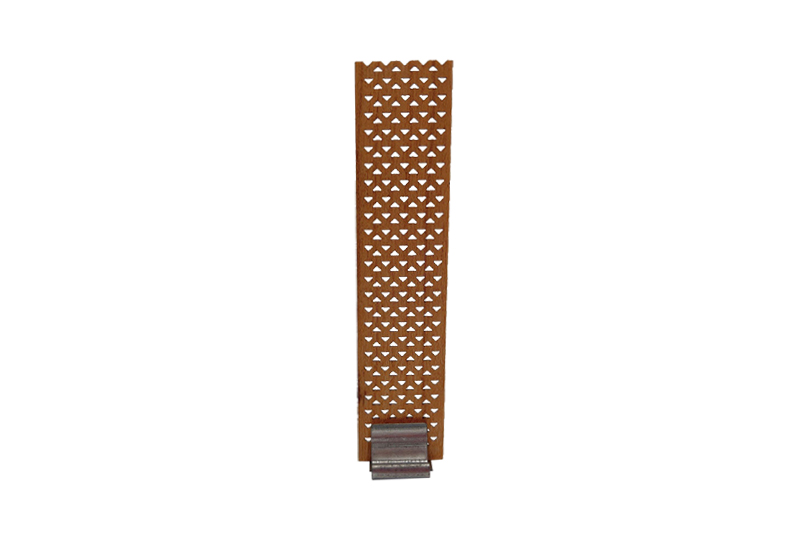
For buyers developing candle lines, wick width is one of the most practical factors to evaluate. A Wooden Candle Wick that is too narrow may create a small flame and incomplete melt pool, while an oversized wick may cause excessive flame height, faster wax consumption, or container overheating.
In product development, the correct wick width should be matched with container diameter, wax type, fragrance load, and desired burn time. A stable wooden wick should support an even melt pool without producing an aggressive flame.
General reference for wooden wick width selection during candle development
| Container Diameter |
Wick Consideration |
Buyer Focus |
| Small Containers |
Narrower wooden wick |
Controlled flame and clean edge performance |
| Medium Containers |
Balanced width and thickness |
Even melt pool and steady fragrance release |
| Large Containers |
Wider or reinforced construction |
Full wax surface coverage and visual balance |
At Leo, we usually recommend sample testing before bulk confirmation, because minor changes in wax formula or fragrance ratio can noticeably affect wick behavior.
Wax Formula Compatibility and Burn Testing Points
Wooden wicks are often used with soy wax, coconut wax, paraffin blends, and plant-based wax systems. Each formula has a different melting point, viscosity, and fragrance holding capacity, so the same wick may perform differently across candle recipes.
Key testing indicators
- Flame height remains controlled after the first full burn cycle.
- The melt pool reaches close to the container edge without deep tunneling.
- The wick does not drown after repeated burns.
- Fragrance release stays smooth without harsh smoke or unstable combustion.
For export candle projects, burn testing should be done with the final wax, fragrance, dye, container, and wick clip together. Testing only one component separately may not reflect the actual finished product performance.
We support OEM and ODM projects by helping clients compare specifications before production, especially when a Wooden Candle Wick is used for gift candles, home fragrance collections, or customized seasonal product lines.
Crackling Sound Control and User Experience
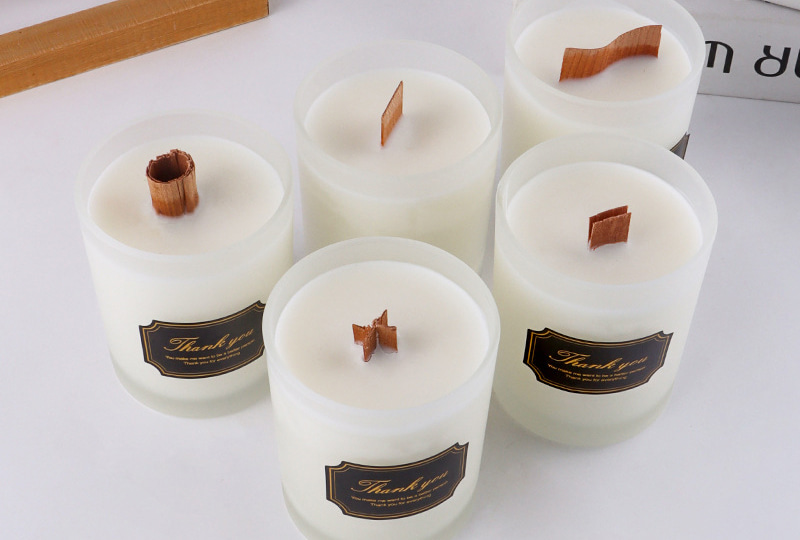
The soft crackling sound is one of the main reasons buyers choose wooden wicks. However, the sound should be gentle and consistent rather than sharp or irregular. Crackling performance is influenced by wood density, wick structure, wax absorption, and flame size.
Factors that influence the crackling effect
- Wood material consistency affects sound stability during burning.
- Wick thickness influences how strongly the flame interacts with the wood.
- Wax saturation can soften or reduce the crackling effect.
- Container shape affects airflow and flame movement.
For buyers targeting premium home fragrance markets, the crackling sound can become a product selling point when it is paired with calm fragrance profiles, warm packaging colors, and gift-ready presentation.
Our team at Leo pays attention to both performance and sensory value, because a candle is not only judged by how it burns, but also by how it makes the room feel.
Quality Inspection Details Buyers Should Confirm Before Shipment
For international buyers, wooden wick quality control should cover appearance, dimensions, moisture condition, assembly stability, and finished candle performance. These checks help reduce complaints related to unstable flame, poor ignition, or uneven burning.
Recommended inspection checklist
- Check whether wick size and construction match the approved sample.
- Confirm the wick is straight, clean, and free from obvious cracks or contamination.
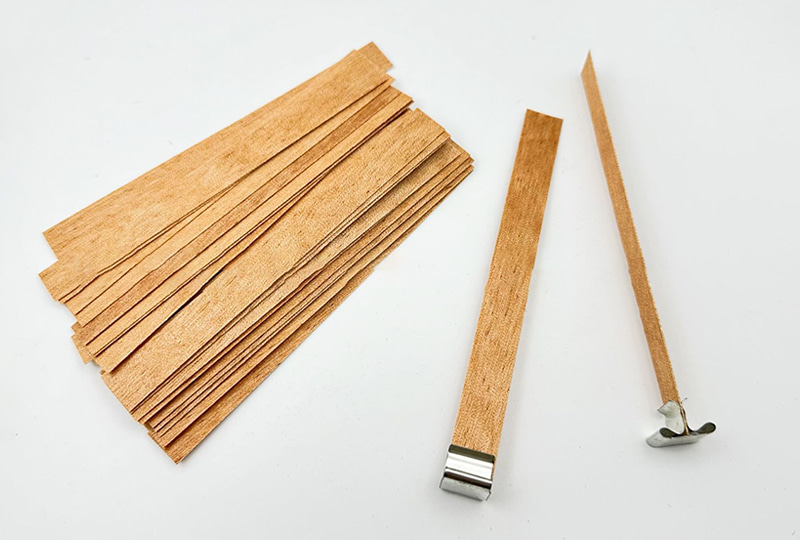
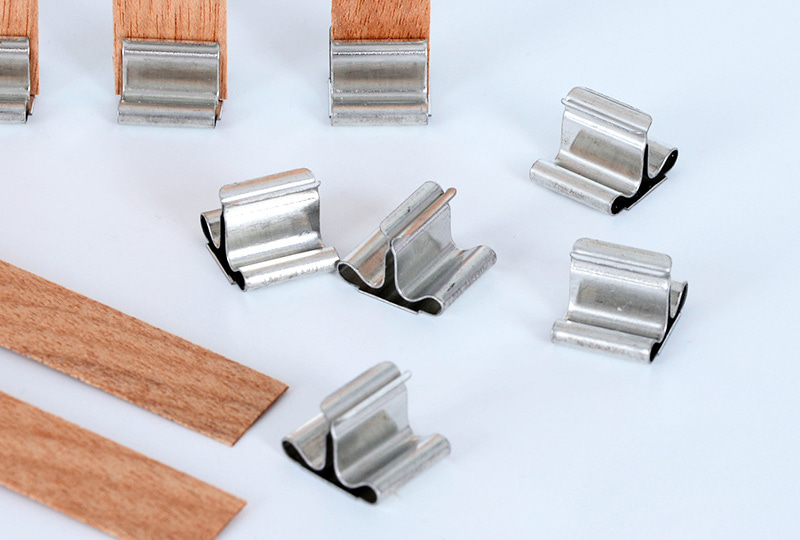
- Inspect whether the wick clip holds the wooden wick firmly in place.
- Test ignition performance after the candle has fully cured.
- Review burn behavior across multiple cycles, not only the first lighting.
A reliable Wooden Candle Wick should perform consistently from sample approval to mass production. This is especially important for private label buyers who need repeatable quality across multiple batches.
Leo applies quality control from raw material selection to finished goods inspection, and we provide sourcing, customization, packaging, and delivery support for overseas clients building competitive home fragrance product lines.

 English
 Français