 English
 Français
News
Content
- 1 A Market That No Longer Stands Still
- 2 Wellness First: Scent as a Daily Ritual
- 3 Clean & Natural Wax: From Preference to Standard
- 4 Scent Zoning: One Home, Multiple Fragrance Identities
- 5 Design-Led Candles: When the Container Is the Product
- 6 Global Scent Profiles: Botanicals, Woods & Soft Gourmands
- 7 The Reed Diffuser & Multi-Format Opportunity
- 8 Sourcing for 2026: What Buyers Should Prioritize
A Market That No Longer Stands Still
Somewhere between the pandemic-era nesting boom and today's ongoing wellness revolution, candles quietly became something more than home décor. They became a daily practice. And the numbers confirm it: the global candle market is projected to reach USD 11.06 billion in 2026, growing at a CAGR of 7.5% — a pace that reflects not just volume growth, but a fundamental shift in what consumers expect from home fragrance.
For brands and buyers entering the market this year, the opportunity is real but specific. The mass-market candle is losing ground. What's gaining traction are products with intention: clean ingredients, considered design, and scents engineered to make people feel a particular way. Understanding the trends shaping 2026 is no longer optional — it's the foundation of a competitive product strategy.
Wellness First: Scent as a Daily Ritual
The single biggest shift in home fragrance over the past two years is deceptively simple: consumers have stopped buying candles to scent a room. They're buying them to manage how they feel. According to the National Candle Association, approximately 70% of U.S. households use candles for home décor and relaxation — and that figure continues to grow as self-care becomes a mainstream priority rather than a niche lifestyle choice.
In 2026, this translates into demand for what the industry is calling "functional fragrance" — scents formulated around specific emotional or cognitive outcomes. Lavender, oakmoss, and chamomile anchor evening wind-down collections. Eucalyptus, mint, and green tea blends serve morning focus rituals. Warm, grounding combinations of cedar, vetiver, and tonka speak to the midday reset. The point isn't the ingredient list — it's the promise attached to it.
For product developers and sourcing teams, this means fragrance positioning has become as important as fragrance itself. A candle labeled "Clarity" or "Restore" is not just a marketing decision — it reflects a purchasing behavior that's measurably different from the traditional "pick whatever smells nice" model. Buyers who can structure their SKU range around functional scent narratives are better positioned for shelf space in wellness retail, specialty gifting, and DTC channels alike.
Clean & Natural Wax: From Preference to Standard
Three years ago, soy wax was a premium differentiator. In 2026, it's closer to a baseline expectation. The shift away from paraffin across major product lines is structural — driven by a combination of indoor air quality awareness, sustainability commitments, and retail channel requirements that increasingly mandate cleaner formulations.
Soy and coconut-blend waxes now dominate new product development across the premium and mid-market segments. Beeswax maintains a loyal niche in the artisan space. The reasons are practical as much as ethical: natural waxes burn more slowly and evenly, provide stronger cold and hot throw for complex fragrance blends, and photograph better — no small thing in an era where Instagram and TikTok shelf appeal drives discovery. Brands working with soy and natural wax blends for candle production gain a formulation advantage that supports both quality claims and clean-label marketing.
What buyers should watch in 2026 is the move toward certified sustainable sourcing — FSC-certified packaging, non-GMO soy certification, and phthalate-free fragrance oils are increasingly listed as requirements rather than nice-to-haves in retailer sustainability briefs. Suppliers who can document their material provenance will have a clear advantage in premium wholesale and private label conversations.
Scent Zoning: One Home, Multiple Fragrance Identities
One of the most commercially significant trends of 2026 has less to do with a single scent and everything to do with how many scents a household now buys. The concept of "scent zoning" — assigning different fragrance families to different rooms and times of day — has moved from the luxury segment into mainstream consumer behavior.
Today's engaged candle buyer doesn't want one signature scent for everything. They want a bright citrus-herbal blend for the kitchen, a clean linen or soft musk for the bedroom, a richer amber or sandalwood for the living room when hosting. This mirrors the way consumers have long approached perfume wardrobing — and it has the same effect on basket size. Where a household once bought one or two candles per quarter, a scent-zoning consumer may purchase five or six across formats.
For buyers and private label partners, this behavior pattern has a direct structural implication: range depth matters more than range breadth. A tightly curated collection of six to eight scents, each positioned for a specific context or room, will consistently outperform a sprawling library of thirty options without clear differentiation. The most successful product lines being built for 2026 are organized around lifestyle moments, not fragrance families alone.
Design-Led Candles: When the Container Is the Product
Across every price segment in 2026, the vessel has become as important as the wax inside it. This is not a new observation — luxury candle brands have long understood that a beautiful container extends the product life cycle beyond the burn — but the trend has now fully permeated the mid-market. Consumers expect the jar to earn a place on a shelf even after the last millimeter of wax is gone.
The materials driving this moment are tactile and architectural: matte cement with raw edges, hand-thrown ceramic in earth tones, veined marble effect glass, brushed metal with minimal labeling. Each speaks to a broader interior aesthetic that prioritizes texture, restraint, and artisanal craftsmanship over glossy mass-market uniformity. Brands sourcing scented candles in glass, ceramic, and marble jar formats have a ready-made answer to this demand.
Beyond jars, sculptural and shaped candles are experiencing a significant commercial moment. Shaped and sculptural handmade candles — from botanically inspired forms to abstract art pieces — are performing especially well in gifting contexts and lifestyle boutiques, where the visual impact justifies a premium price point. These aren't novelty items; they're a legitimate category with sustained sell-through driven by social sharing and gifting intent.
Global Scent Profiles: Botanicals, Woods & Soft Gourmands
The dominant fragrance direction of 2026 can be summarized in one phrase: refined comfort. Consumers have moved away from loud, performance-heavy scents toward profiles that feel grounded, personal, and quietly sophisticated. This shows up consistently across search trend data, new product launches, and wholesale buyer briefs from specialty retail.
The leading fragrance families breaking through this year include:
- Botanical and herbal blends — rosemary, sage, eucalyptus, green tea, lemon verbena. These read as wellness-adjacent without veering into medicinal territory. They work across multiple room contexts and appeal to consumers reducing their dependence on synthetic air fresheners.
- Warm woody and earthy tones — sandalwood, hinoki, cedarwood, vetiver, oakmoss. Sandalwood in particular ranks among the fastest-growing candle scent searches heading into 2026. These profiles resonate strongly in the bedroom and living room, and pair well with neutral, nature-inspired interior palettes.
- Soft gourmands — vanilla, amber, tonka, caramelized musk. The key distinction from earlier iterations of this trend: subtlety. The 2026 gourmand is about warmth and comfort, not dessert-shop sweetness. Richness without heaviness is the brief.
- Global-inspired botanicals — Mediterranean citrus, Japanese hinoki, Moroccan rose, Caribbean coconut. Brands are drawing on regional olfactive traditions as a credible differentiation story, and consumers are responding to the specificity and narrative depth these profiles offer.
Tea-based fragrances — white tea, matcha, chai — are also emerging as a meaningful sub-trend, occupying the intersection of wellness positioning and daytime burn behavior. They feel modern without being trend-chasing, which gives them genuine product longevity.
The Reed Diffuser & Multi-Format Opportunity
Candles remain the emotional and commercial center of home fragrance — but the category boundaries are expanding. In 2026, consumers increasingly view their home scent environment as a system rather than a single product, and they're building it across multiple formats simultaneously.
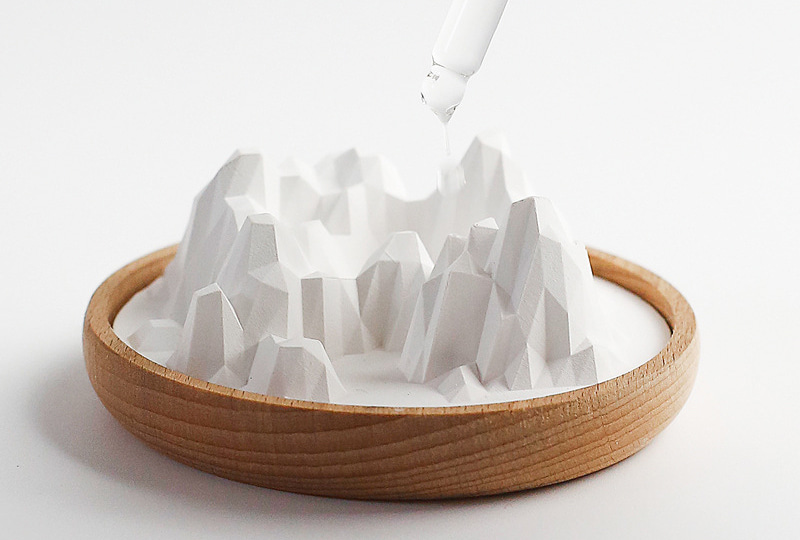
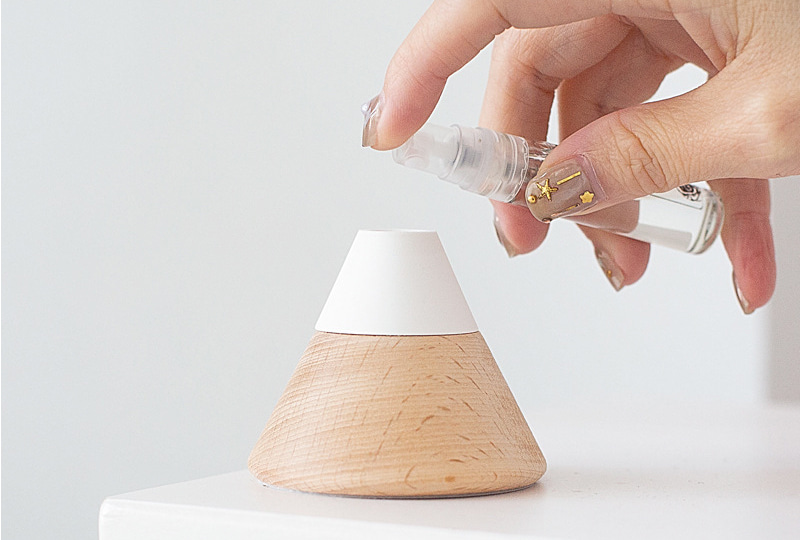
Reed diffusers are the clearest beneficiary of this shift. They offer continuous, flameless fragrance delivery that candles cannot match — practical for households with children, pets, or workspaces where open flames are impractical. Custom reed diffusers and accessories are seeing growing demand as brands look to complete their home fragrance ecosystems and offer cohesive scent collections across formats.
Ultrasonic diffusers and plug-in formats address a different use case: the workspace, the nursery, the hotel room, the car. Ultrasonic and plug-in diffuser solutions are increasingly part of the conversation when brands develop full home fragrance ranges, particularly as they expand into hospitality and commercial applications where burn management is a concern.
For buyers, the multi-format opportunity is straightforward: a customer who enters your brand through a candle is a candidate for a reed diffuser, a room spray, and a diffuser refill. Building a coherent scent wardrobe across formats deepens the customer relationship, improves average order value, and creates a defensible brand ecosystem that's harder to displace on price alone.
Sourcing for 2026: What Buyers Should Prioritize
The trends outlined above share a common thread: consumers are raising the bar. The products winning shelf space and repeat purchase in 2026 are those that can simultaneously deliver on fragrance performance, ingredient transparency, visual design, and format versatility. Meeting all four criteria requires a manufacturing partner with both technical depth and genuine flexibility.
For brands building or refreshing their home fragrance range this year, the sourcing checklist looks like this: natural wax formulations that meet clean-label standards, container designs with enough visual distinction to justify the price point, fragrance profiles calibrated to wellness positioning, and the production capacity to support both seasonal launches and core replenishment.
Hangzhou Leo Home Trading Co., Ltd. operates at exactly this intersection — a full-spectrum home fragrance manufacturer offering OEM and ODM services across scented candles, reed diffusers, diffuser accessories, raw materials, and candle vessels. Whether you're developing a private label collection from scratch or scaling an existing range, the right manufacturing partner makes the difference between a trend opportunity and a missed window.
2026 rewards intentionality at every level of the product. The brands that move early, source carefully, and position clearly will be the ones defining what home fragrance looks like for the next several years.