Industry knowledge
Material Density and Heat Behavior in Cement Jar Candle Design
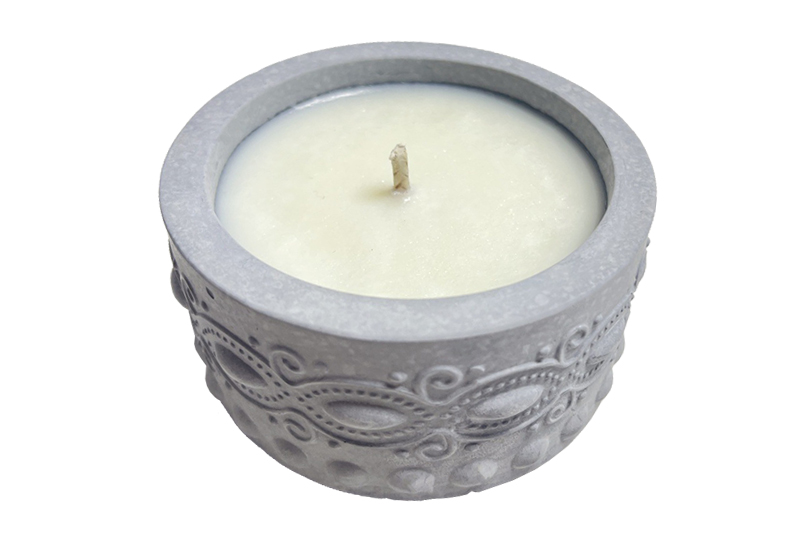
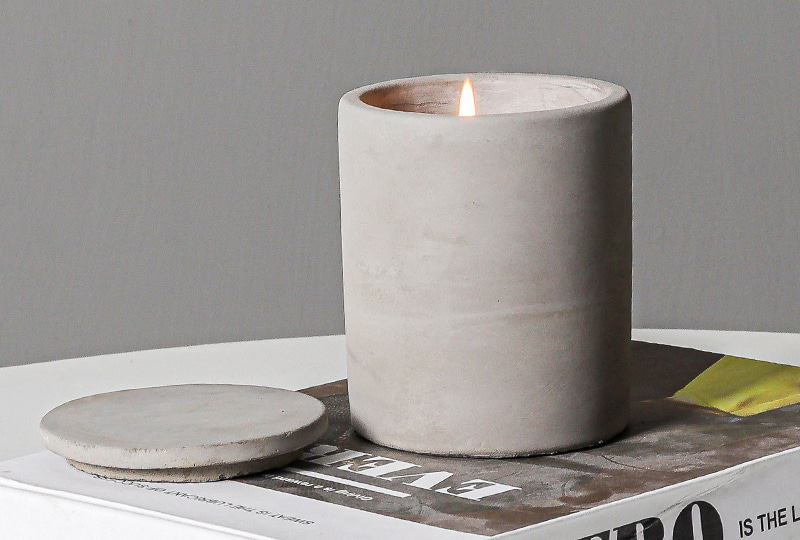
A Cement Jar Candle is not only judged by its visual weight. The density of the cement vessel also affects how heat is held, dispersed, and perceived during use. Compared with thin metal or lightweight glass containers, cement has a slower thermal response, which can help create a steadier burn environment when the jar thickness and wax fill are properly balanced.
For buyers developing private-label candle lines, vessel proportion is a practical detail. Excessively thick walls may increase shipping weight and cost, while overly thin walls may reduce the premium feel and structural stability. In our development process, we pay close attention to wall thickness, base weight, and inner diameter so the finished piece feels substantial without becoming impractical for daily use.
- A wider opening usually supports stronger fragrance diffusion.
- A heavier base improves tabletop stability and perceived value.
- Balanced wall thickness helps control both appearance and logistics cost.
Surface Finishing: Why Handmade Variation Matters
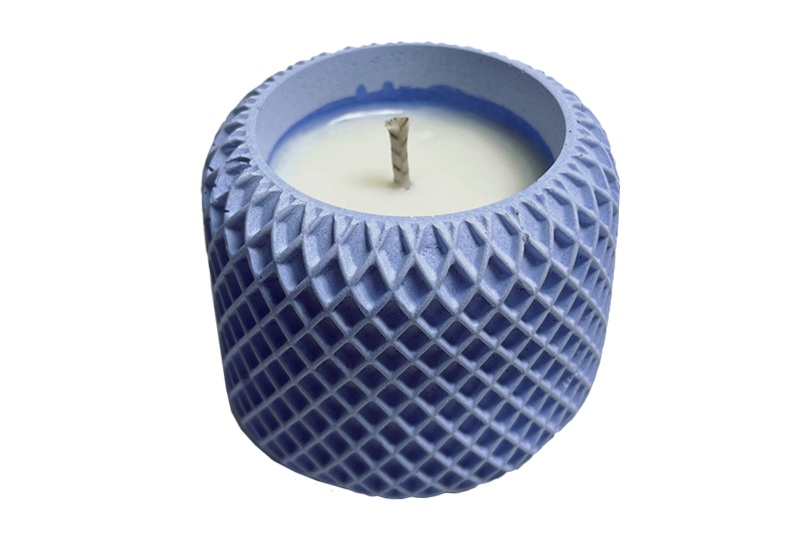
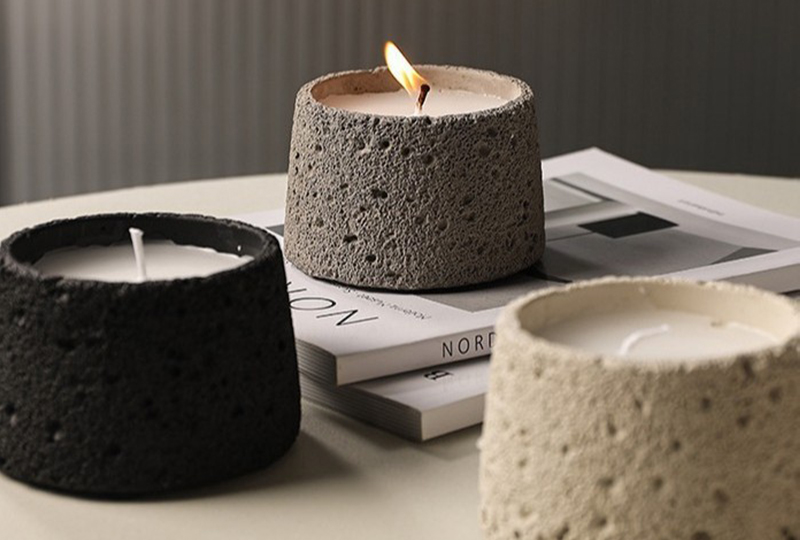
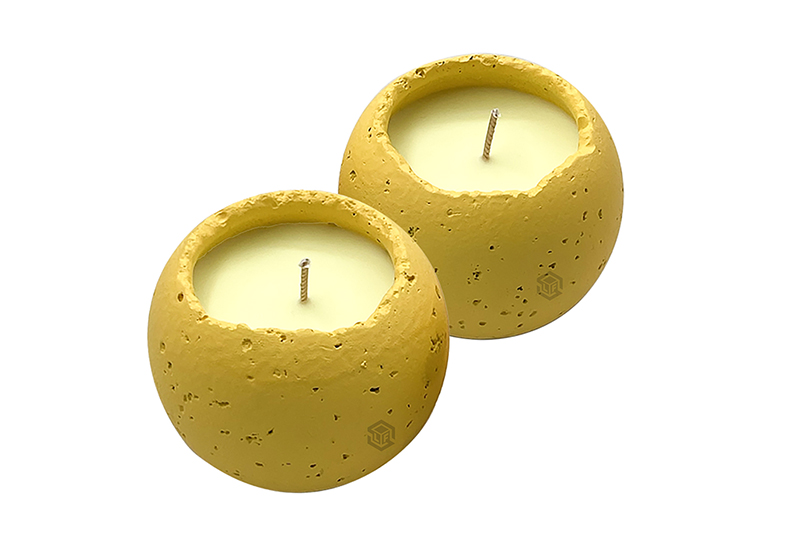
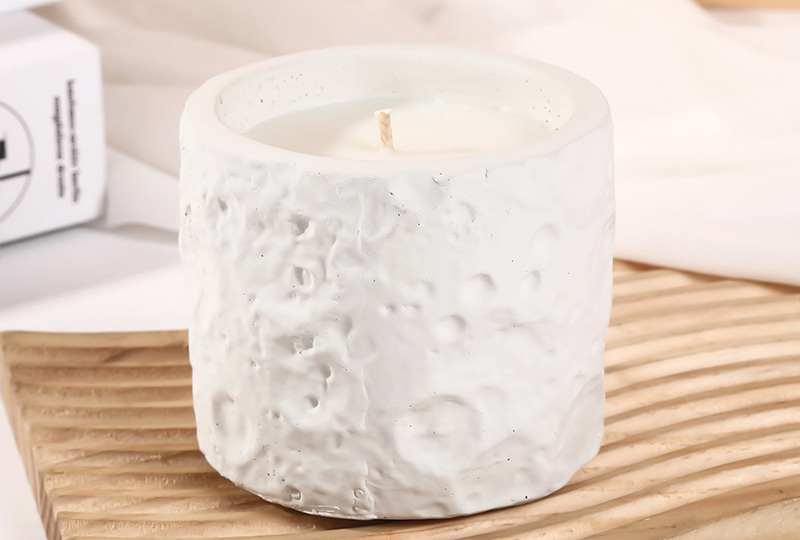
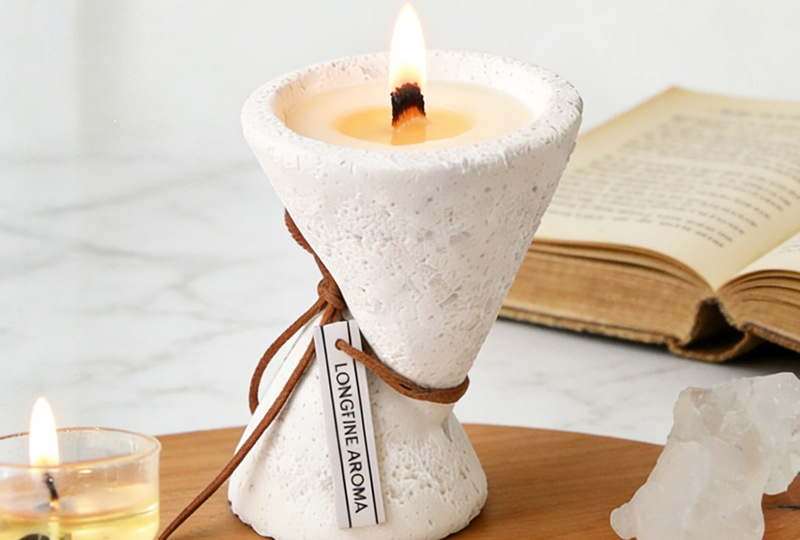
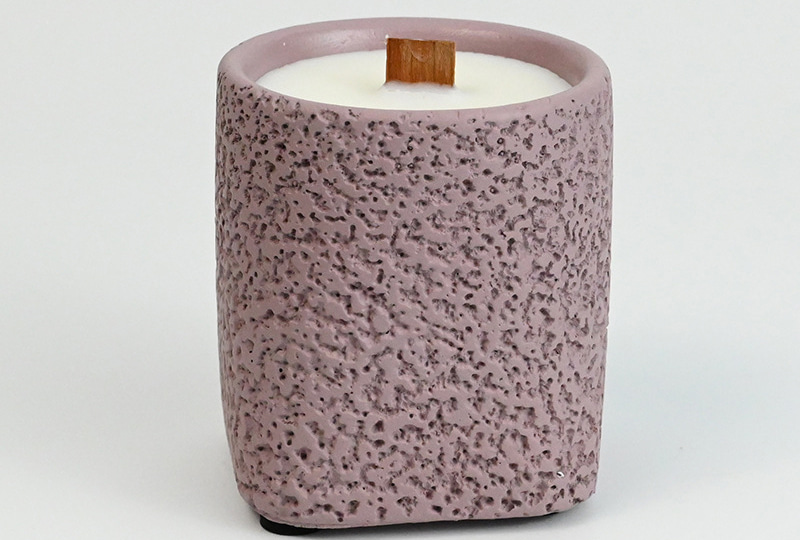
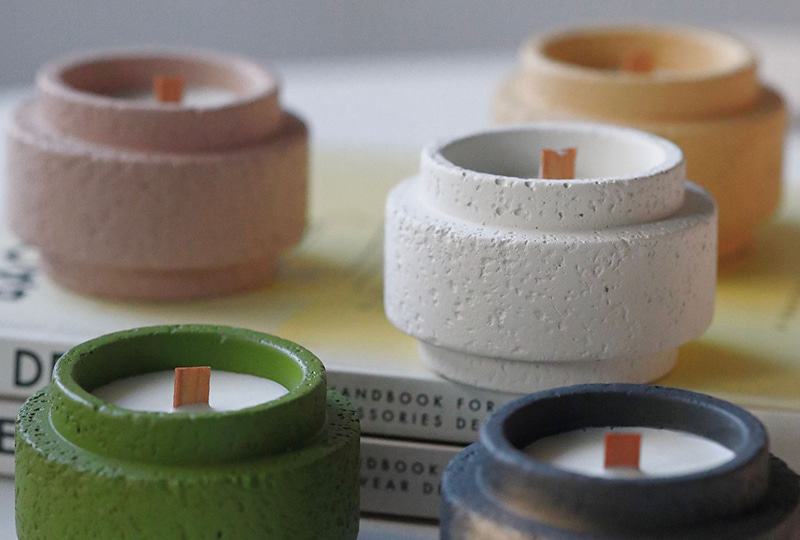
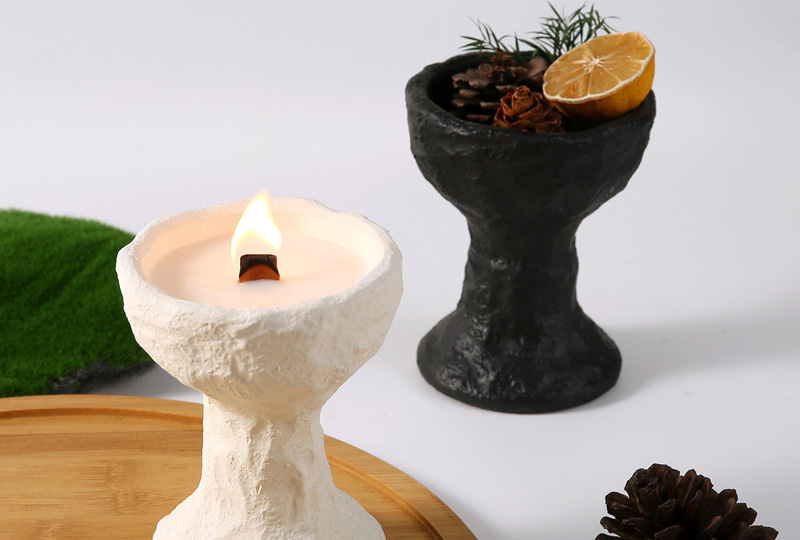
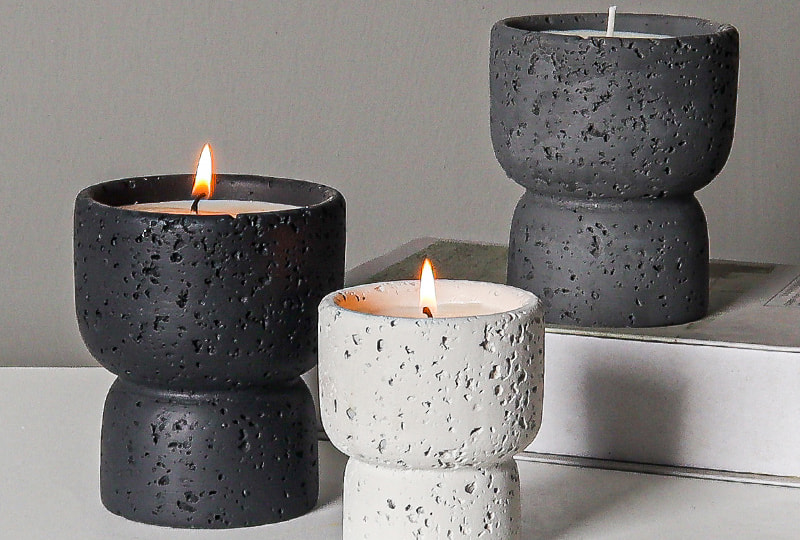
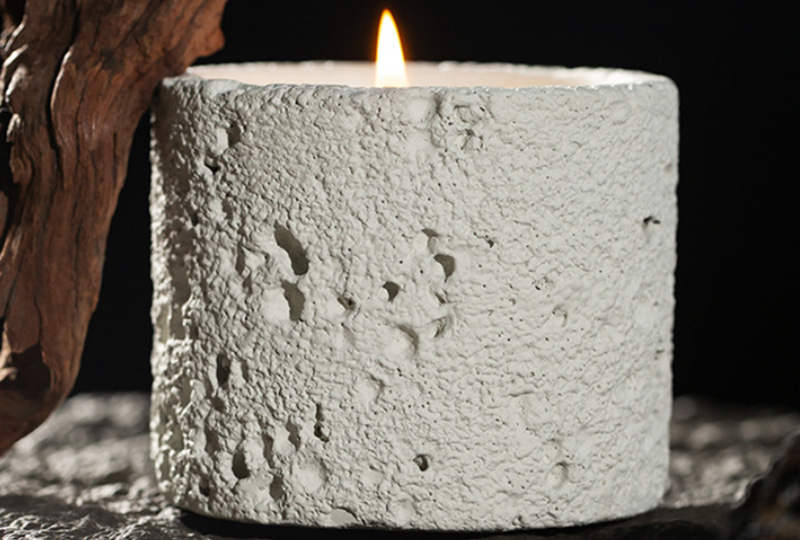
Concrete surfaces naturally carry pores, tonal movement, and slight texture differences. In candle vessels, these characteristics can become a design advantage when they are intentionally controlled. Hand-applied aging, selective painting, and contrasting color treatments give each jar a more layered appearance instead of a flat industrial finish.
Common finishing considerations for buyers
Practical comparison of common cement candle jar surface effects
| Finish Type |
Visual Effect |
Buyer Value |
| Aged Surface |
Soft vintage texture |
Adds handcrafted individuality |
| Color Blocking |
Clear visual contrast |
Supports brand color systems |
| Matte Coating |
Calm and refined |
Fits modern home decor lines |
We often remind buyers that controlled variation is different from inconsistency. The goal is to keep size, safety, and function stable while allowing the surface to retain a natural handmade character.
Fragrance Matching for Concrete Vessels
The vessel material can influence how a candle is positioned in the market. Cement has a calm, architectural feeling, so fragrance selection should usually avoid overly sharp or synthetic impressions. Woody, herbal, amber, tea, mineral, and soft floral notes often pair well with the grounded appearance of concrete.
Useful fragrance directions
- For minimalist interiors: sandalwood, cedar, white tea, musk.
- For gift collections: fig, peony, vanilla amber, cashmere.
- For spa or wellness concepts: eucalyptus, lavender, sage, green tea.
Through cooperation with international perfumers, we develop scent profiles with gradual diffusion rather than immediate heaviness. For overseas buyers, this helps create a more refined user experience and supports repeat purchasing in home fragrance categories.
OEM/ODM Details That Affect Market Readiness
For buyers, customization is not limited to printing a logo. A successful Cement Jar Candle project usually requires coordinated decisions across vessel shape, fragrance, wax fill, label material, color palette, packaging structure, and inspection standards. These choices directly affect retail positioning, shipping protection, and customer perception.
Key checkpoints before bulk production
- Confirm jar dimensions, fill weight, and finished product weight.
- Review fragrance strength through sample burning, not only cold scent testing.
- Check logo placement on curved or textured surfaces.
- Test packaging strength for long-distance transportation.
- Define acceptable surface variation before mass production.
At Leo, we support buyers from product development to sourcing and delivery coordination. Our focus is to help overseas clients build candle collections that feel distinctive, reliable, and ready for their target market.

 English
 Français