 English
 Français
News
Content
- 1 How a Wick Actually Controls Your Candle's Burn
- 2 What Makes Wooden and Cotton Wicks Structurally Different
- 3 Scent Throw: Which Wick Releases Fragrance Better?
- 4 Burn Consistency and Maintenance Reality
- 5 Wax Compatibility: Matching Wick to Formula
- 6 Wooden Wick vs Cotton Wick: Side-by-Side Comparison
- 7 Which Wick Is Right for Your Candle Line?
Every decision made during candle development — wax type, fragrance load, vessel geometry — interacts with the wick. But the wick itself is often the last variable tested and the first one blamed when a candle underperforms. For brands building a scented candle line, understanding the mechanical and thermal differences between wooden and cotton wicks is not a minor detail. It shapes burn consistency, fragrance release rhythm, production yield, and the sensory experience the end customer receives.
This guide compares wooden and cotton wicks across the dimensions that matter most for product development and sourcing decisions: burn behavior, scent throw, wax compatibility, maintenance, and scalability.
How a Wick Actually Controls Your Candle's Burn
A wick is a fuel delivery system. Its job is to draw liquid wax up from the melt pool and into the flame at a rate that sustains combustion without overfeeding or starving it. That capillary action — how efficiently and consistently wax travels up the wick — varies significantly between materials, and those differences cascade into every aspect of how the candle performs.
An oversized wick draws wax too quickly, producing a large, sooty flame that burns through the candle fast and can overheat the vessel. An undersized wick starves the flame, causing tunneling as the wax directly around the wick melts while the outer edges remain solid. The right wick creates a full melt pool that reaches the vessel walls within two to three hours of the first burn — the standard benchmark for well-calibrated candle performance.
Both wooden and cotton wicks can hit that benchmark, but they achieve it through different mechanisms and respond differently to changes in wax type, fragrance load, and container diameter.
What Makes Wooden and Cotton Wicks Structurally Different
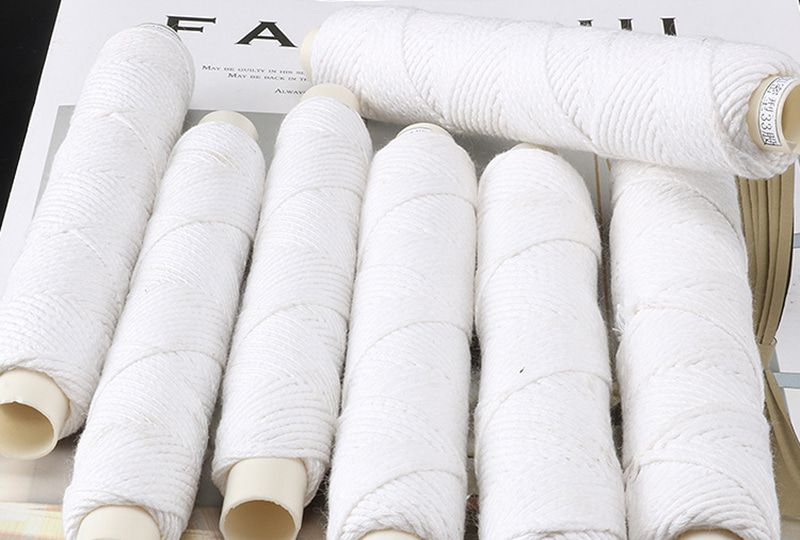
Cotton wicks are constructed from braided or twisted textile-grade cotton fibers, often with a paper filament woven through to maintain stiffness and ensure the wick curves slightly as it burns — a design feature that brings the tip into the hottest part of the flame and promotes self-trimming. The result is a narrow, vertical, teardrop-shaped flame that burns steadily and relights reliably.
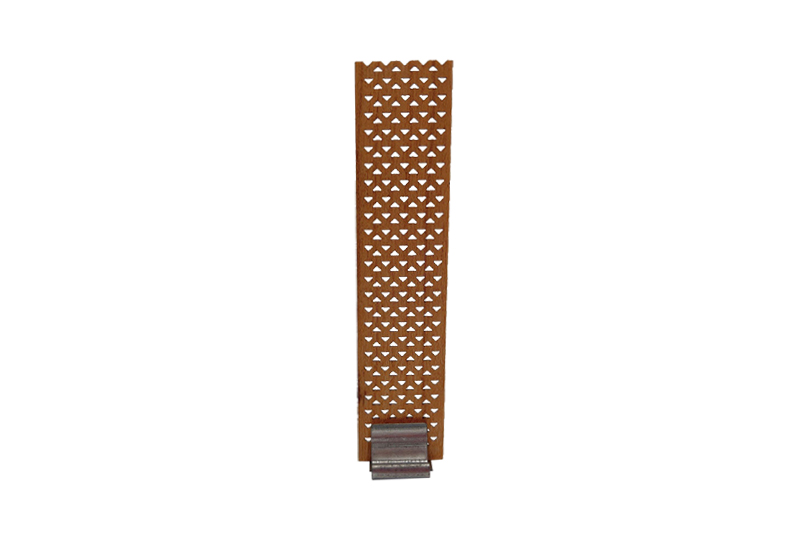
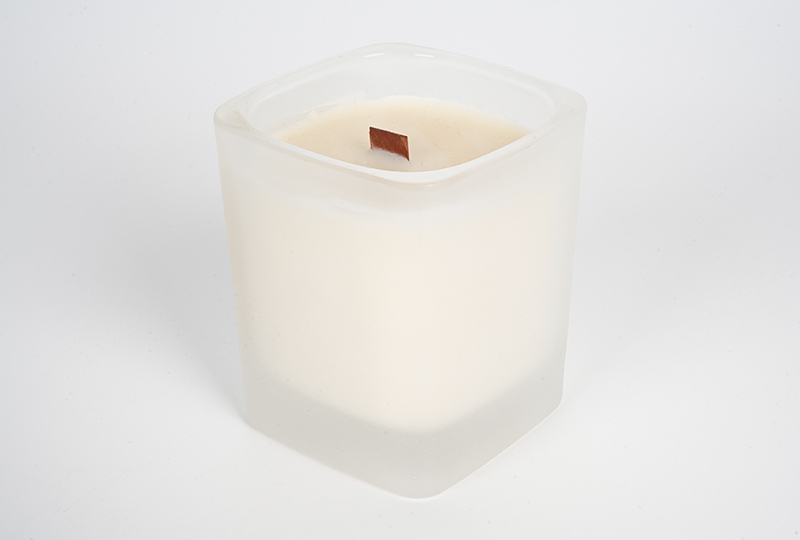
Wooden wicks are thin strips of natural wood — commonly cherry, maple, or birch — cut to a consistent width and pre-tabbed with a metal sustainer at the base. Unlike the vertical draw of a cotton wick, a wooden wick produces a wide, horizontal flame that spreads across the full width of the strip. This lateral flame geometry heats the wax across a broader area simultaneously, which affects how quickly the melt pool forms and how heat distributes through the vessel.
That structural difference is the origin of almost every performance distinction between the two wick types. Explore our wooden candle wicks for custom candle production and our cotton candle wicks suited to a wide range of wax types to compare available specifications.
Scent Throw: Which Wick Releases Fragrance Better?
Scent throw is not solely a wick variable — wax type, fragrance load percentage, and vessel material all contribute — but wick behavior significantly shapes how fragrance is released over the course of a burn.
Wooden wicks burn at a lower, slower smolder compared to the more active combustion of a cotton wick. That lower-temperature, broader heat distribution tends to volatilize fragrance molecules more gradually and evenly, which produces a more sustained scent output over longer burn sessions. The horizontal flame heats a wider wax surface area at once, which some formulas respond to with noticeably stronger cold and hot throw.
Cotton wicks run hotter and faster. That higher combustion temperature works well for fragrances with lighter molecular structures — citrus top notes, aquatic profiles, and clean florals — which need more heat energy to fully release. For richer, more complex fragrance profiles such as sandalwood, amber, tobacco, or oud, the slower thermal environment created by a wooden wick tends to preserve fragrance complexity better, releasing layered notes progressively rather than burning them off quickly.
One important caveat: fragrance oil concentration directly affects wooden wick performance. Too high a fragrance load suppresses the crackle effect that defines the wooden wick sensory experience, and can interfere with combustion stability. Testing at different fragrance percentages — typically between 6% and 10% of wax weight — is essential before finalizing a wooden wick formula.
Burn Consistency and Maintenance Reality
Cotton wicks are the more forgiving of the two in everyday use. They light immediately with a standard lighter or match, self-trim as they burn, and relight reliably after being extinguished. The main maintenance issue is mushrooming — carbon buildup on the wick tip that can produce a brief burst of soot or smoke if not trimmed before relighting. Trimming to approximately 6mm before each burn resolves this reliably and takes only a few seconds.
Wooden wicks have a steeper performance curve. Lighting one correctly requires holding the flame along the full width of the wick top for up to 20 seconds until the wood catches — a standard match is often insufficient, and a stick lighter is typically recommended. Once lit, wooden wicks are more sensitive to drafts and can self-extinguish mid-burn if airflow is inconsistent or if the wick was not trimmed correctly before lighting.
Wooden wick trimming requires more precision than cotton. The charred carbon cap that forms after each burn must be fully removed — ideally by pinching off the debris cleanly rather than just snapping — before the next use. Residual carbon on the wick tip impedes the wood's ability to draw wax and is the most common cause of relighting failures. A dedicated wooden wick trimmer produces cleaner cuts and more consistent results than standard wick scissors.
From a production standpoint, wooden wicks also require careful centering during the pour, as even minor positional shifts can cause uneven melt pool development. Cotton wicks, particularly those pre-waxed and pre-tabbed, center more reliably across high-volume production runs.
Regarding environmental credentials: FSC-certified wooden wicks sourced from sustainably managed mills meet a defined chain-of-custody standard. However, composite wooden wicks — those made from wood chips or processed materials held together with adhesives — do not carry the same sustainability profile. Cotton wicks, when made from 100% natural fibers without lead or zinc core reinforcement, are fully biodegradable and widely considered a clean-burning material. Verifying sourcing transparency from any wick supplier is worth doing regardless of material type. For a technical overview of wick sizing and material compatibility, Lone Star Candle Supply's wick guide covers FSC sourcing standards and burn testing methodology in useful detail.
Wax Compatibility: Matching Wick to Formula
Wick selection cannot be finalized without knowing the wax type. The same wooden wick width that performs perfectly in a paraffin blend may struggle to establish a full melt pool in a pure soy formula — because soy wax has a higher viscosity and holds heat more tightly, requiring more thermal energy to liquefy fully. In pure soy applications, wooden wicks typically need to be sized up one or two widths compared to the paraffin equivalent, and double-wick configurations are sometimes necessary for larger diameter vessels.
Coconut wax presents a different challenge: it is a soft, low-melt-point wax that responds quickly to heat input. Wooden wicks in coconut wax can run hotter than intended, making precise wick sizing critical to avoid overheating the vessel. Coconut-soy blends tend to behave more predictably with wooden wicks than pure coconut, and are one of the more popular formula pairings for premium wooden wick candles.
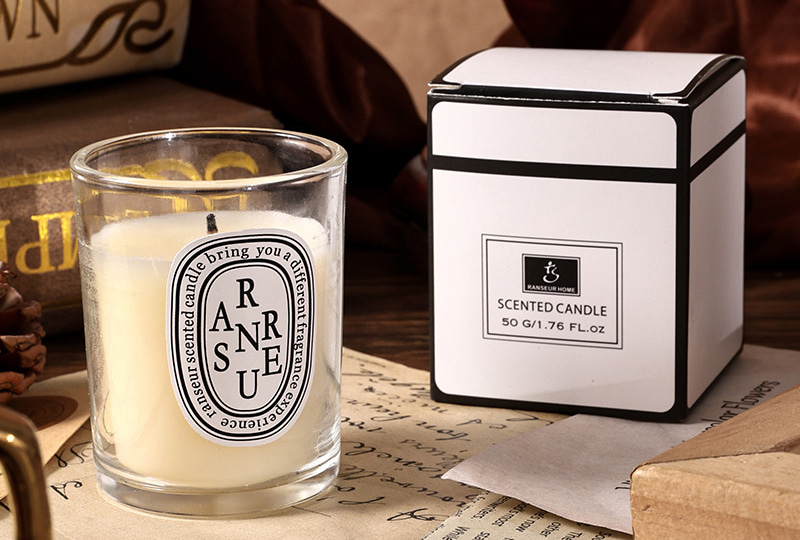
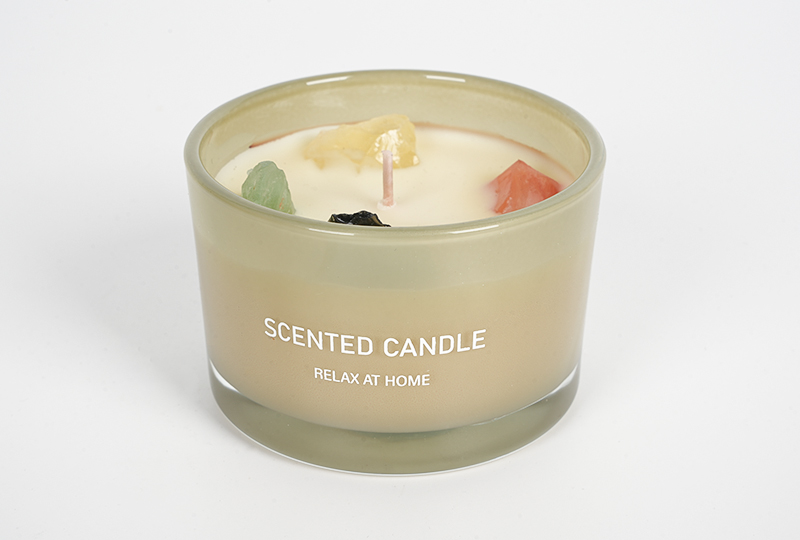
Cotton wicks offer the broadest cross-wax compatibility. CD-series and HTP-series cotton wicks perform consistently across paraffin, soy, and soy-paraffin blends, and are the standard recommendation for brands working with multiple wax types across a product range. For a brand sourcing wax and wicks together, pairing decisions should be confirmed through systematic burn testing — container diameter, fragrance load, and pour temperature all affect the outcome. Browse our wax raw materials for candle manufacturing alongside wick options to streamline compatibility testing, and see our scented candle jar options across four vessel materials for container specs that affect wick sizing decisions.
Wooden Wick vs Cotton Wick: Side-by-Side Comparison
The table below summarizes the key performance and production variables for each wick type:
| Variable | Wooden Wick | Cotton Wick |
|---|---|---|
| Flame Shape | Wide, horizontal | Narrow, vertical teardrop |
| Ease of Lighting | Requires 15–20 seconds; stick lighter recommended | Lights immediately with match or lighter |
| Burn Stability | Sensitive to drafts; may self-extinguish if untrimmed | Stable; self-trimming in most wax types |
| Scent Throw | Strong; excels with rich, complex fragrance profiles | Consistent; excels with light, citrus, and floral profiles |
| Maintenance | Precise trimming required; carbon cap must be cleared | Simple trimming to 6mm; minimal debris |
| Wax Compatibility | Paraffin, soy-paraffin blend, coconut-soy blend; size-up for pure soy | Broad — paraffin, soy, coconut, and blends |
| Sensory Element | Crackling sound; visual warmth of a wider flame | Silent; clean, classic flame appearance |
| Production Scalability | Higher centering sensitivity; more burn testing required | Consistent centering; reliable across high-volume runs |
| Brand Positioning Fit | Luxury, gifting, sensory experience, boutique collections | Everyday, travel, subscription, broad market appeal |
Which Wick Is Right for Your Candle Line?
The answer depends on the product's role in the market and the production context it will be manufactured in.
Choose wooden wicks when the candle is positioned as a sensory or experiential product — luxury gifting lines, premium home fragrance, spa and hospitality amenities, or collections built around rich, layered fragrance profiles like oud, tobacco, or dark woods. The crackling sound and horizontal flame add perceivable value that supports a higher price point. Factor in the additional burn testing time and the tighter quality control requirements during production.
Choose cotton wicks when the priority is consistency, versatility, and scalability. For everyday jar candles, travel tins, subscription box programs, or any line spanning multiple wax types and vessel sizes, cotton wicks offer the most reliable path from formula development to high-volume production. They are also the lower-risk choice for new product launches where burn testing resources are limited and market feedback is still being gathered.
Consider both if your range covers more than one price tier or product context. Many established candle brands use cotton wicks for their core everyday line and wooden wicks for premium or seasonal collections — differentiating the sensory experience across SKUs without requiring separate wax formulas.
Whichever direction you choose, wick selection should always be confirmed through systematic burn testing with the final wax formula, fragrance oil, and vessel before committing to a production run. Our team supports OEM and ODM candle programs across both wick types — explore the complete candle components and raw material range to start building your specification.