Industry knowledge
Wax Raw Material Melting Control in Production
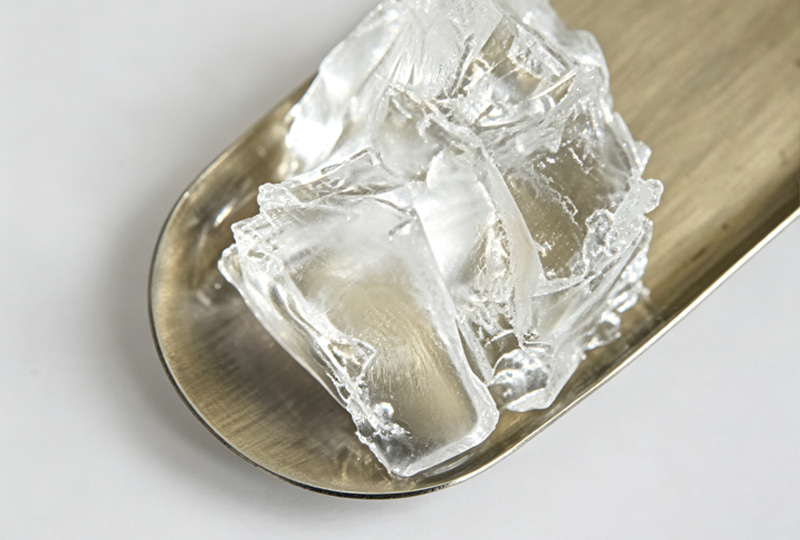
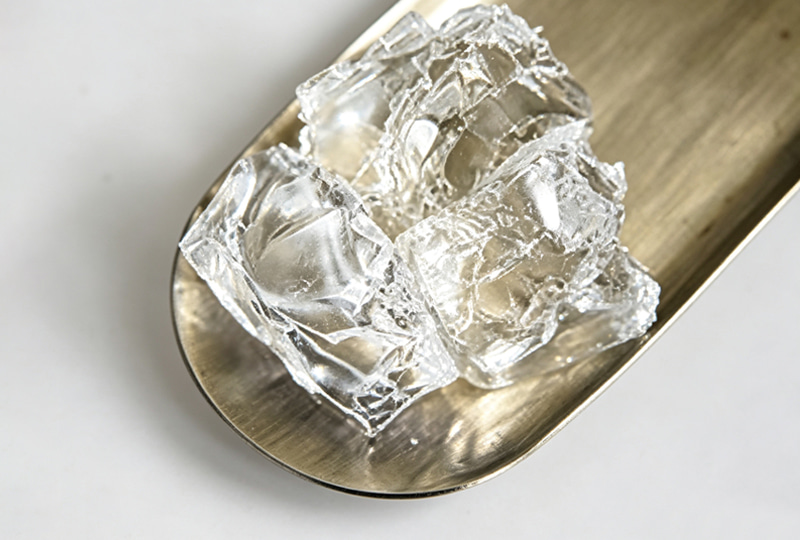
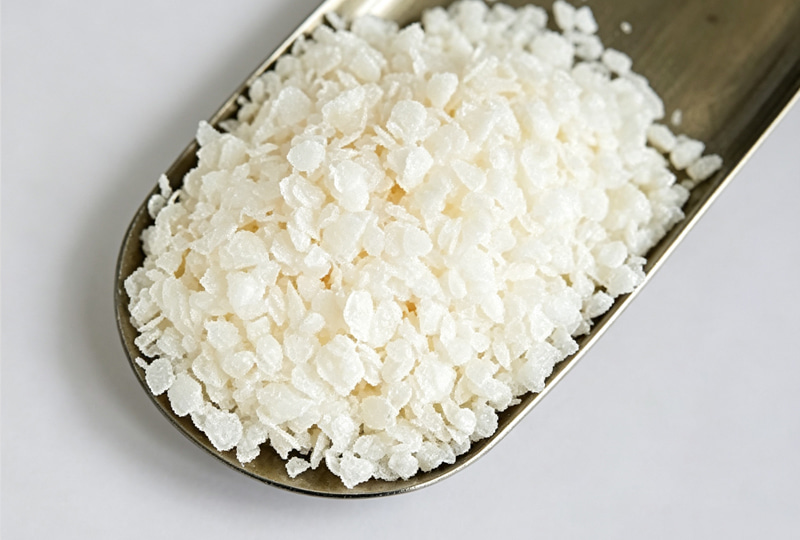
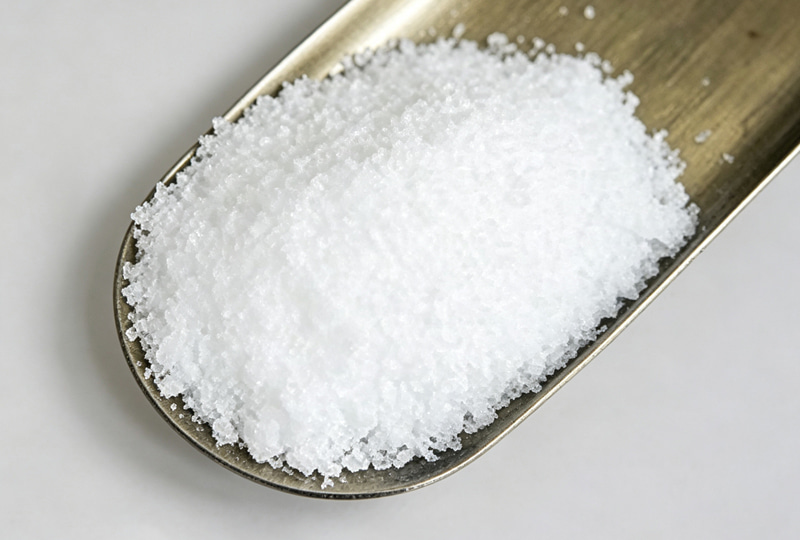
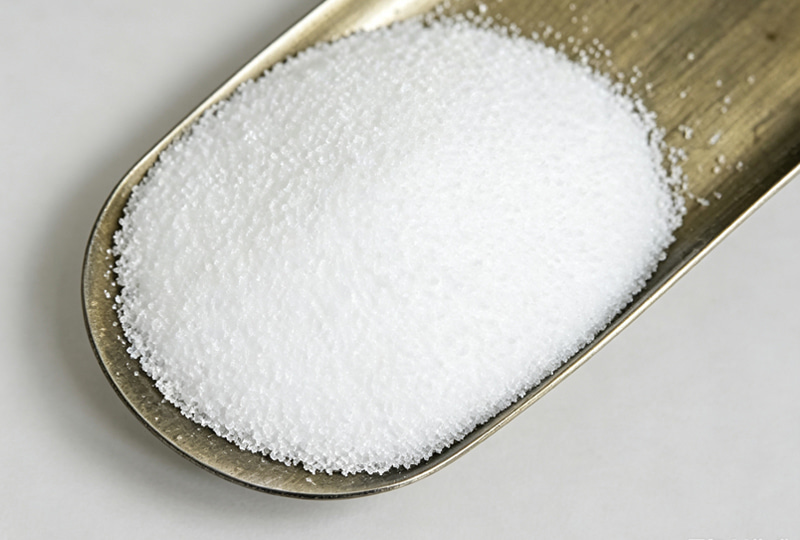
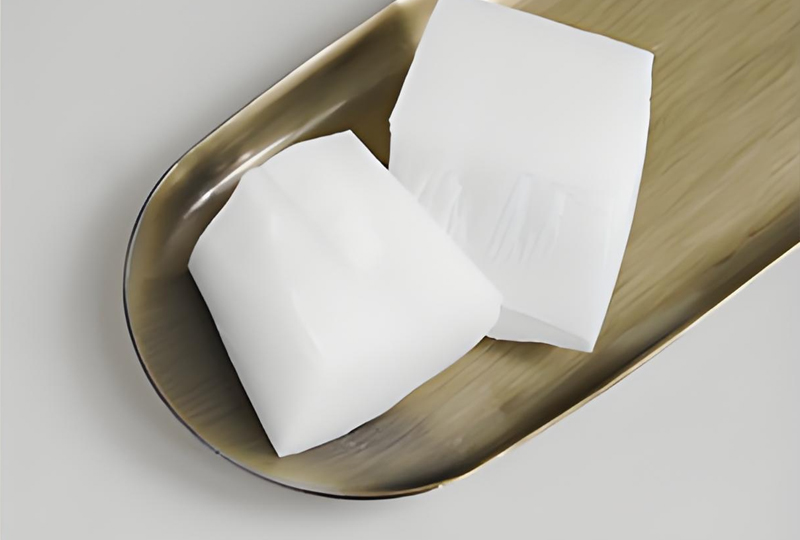
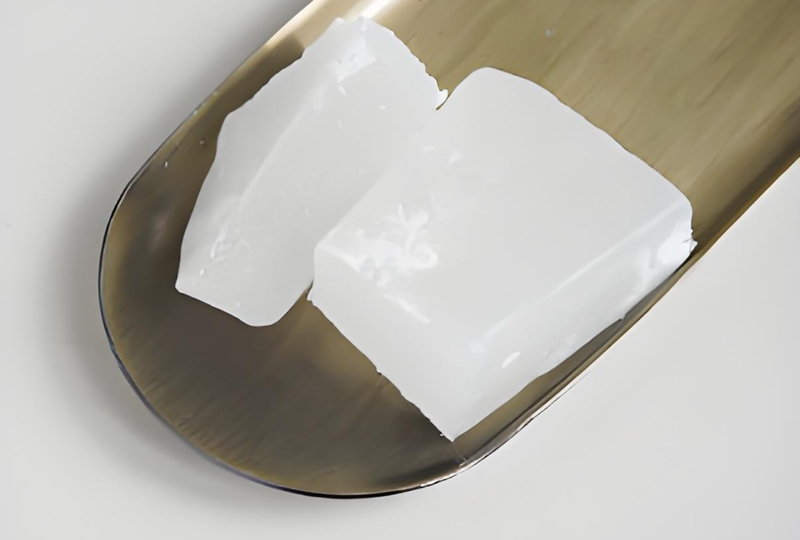
For industrial users, melting behavior is not only about the melting point. It also affects heating time, mixing efficiency, cooling stability, surface finish, and production consistency. A wax raw material with a dense and uniform structure usually supports more predictable thermal response, helping manufacturers reduce batch-to-batch variation.
Practical processing attention points
- Avoid excessive heating time, as long exposure to high temperature may affect color, odor, or formulation stability.
- Keep the wax fully melted before adding resins, oils, or fragrance-related additives to improve dispersion.
- Use controlled cooling to reduce shrinkage, cracking, or uneven surface texture in finished goods.
At Leo, we pay attention to raw material consistency because stable processing helps our overseas clients develop more repeatable product lines with less trial-and-error during production.
Film-Forming and Adhesion Performance in End Products
Film-forming ability is important when wax is used to improve surface smoothness, coating feel, gloss balance, or protective performance. Good adhesion helps the wax layer stay stable on the product surface instead of separating, flaking, or forming an uneven finish.
Common performance factors buyers may evaluate when selecting wax raw material
| Evaluation Point |
Practical Meaning |
Buyer Focus |
| Film uniformity |
Even surface coverage |
Smooth finish and stable appearance |
| Adhesion |
Bonding with base material |
Reduced surface defects |
| Texture control |
Balanced hardness and touch |
Consistent product feel |
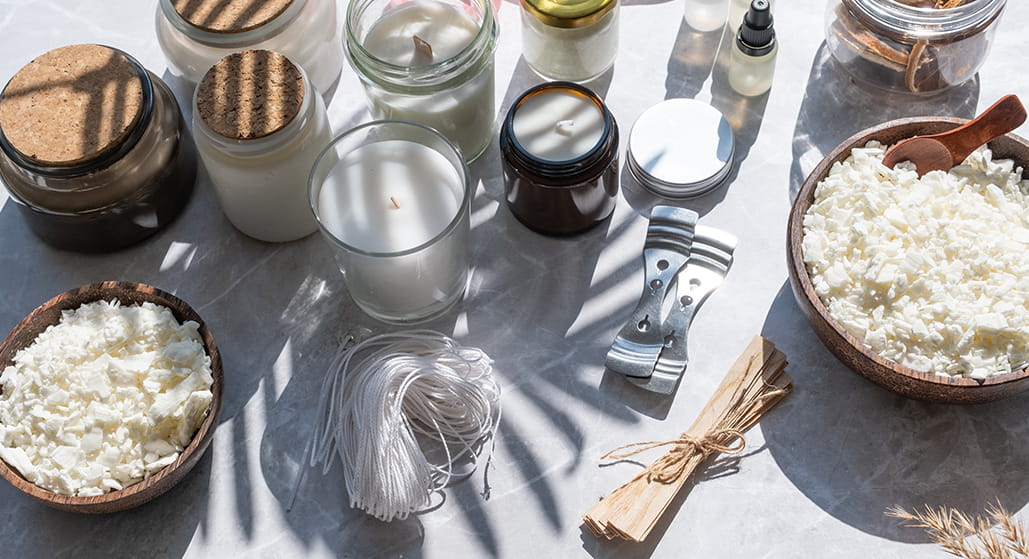
For buyers developing candles, home fragrance items, coatings, or daily-use products, surface performance can directly influence perceived product quality.
Compatibility Testing Before Bulk Formulation
Wax raw material is often blended with resins, oils, pigments, fragrance materials, fillers, or functional additives. Even when each material performs well separately, compatibility testing is still necessary because blending may change melting behavior, viscosity, hardness, surface gloss, or storage stability.
Suggested small-batch testing process
- Prepare several ratio samples to compare melting, mixing, and cooling behavior.
- Observe whether separation, cloudiness, graininess, or sediment appears after cooling.
- Check surface condition after 24 hours and again after several days of storage.
- Confirm whether the final hardness, adhesion, and finish match the target application.
We support OEM/ODM development with flexible sourcing and customization assistance, helping clients adjust specifications, fragrance direction, labels, and packaging while keeping raw material performance in view.
Storage Stability and Quality Control Prior to Use
Storage stability is an important purchasing consideration, especially for buyers managing international shipping, warehouse storage, and multi-batch production schedules. A stable wax raw material should maintain its appearance, structure, and processing performance under proper storage conditions.
Recommended incoming inspection points
- Check appearance for unusual discoloration, contamination, moisture, or agglomeration.
- Compare melting behavior with approved samples before large-scale production.
- Keep materials sealed, dry, and away from direct sunlight or unstable heat sources.
- Record batch information to support traceability and quality review.
Reliable storage performance reduces production risk and helps maintain consistent finished product quality. At Leo, our quality control process covers raw material selection through finished goods inspection, giving buyers stronger confidence when building cross-border supply programs.

 English
 Français