 English
 Français
News
Home / News / Industry News / Memorial & Keepsake Candles: A Buyer's Guide to Customization & Sourcing
Content
Personalized gift sales are climbing toward $50 billion globally, expanding at a compound annual rate of 9.5% through 2027. Within that surge, memorial and keepsake candles are capturing an outsized share of both margin and loyalty. A name, a date, a photograph, a scent tied to a memory — these elements transform an everyday candle into an emotional anchor. That anchor drives repeat purchases in a category where most products are bought once and forgotten.
For gift retailers and e‑commerce sellers, the economics are compelling. A custom memorial candle commands a 40–60% price premium over a standard jar candle of identical size. Customers buying sympathy or remembrance gifts rarely comparison‑shop aggressively; they value speed, presentation, and symbolic weight over cost. That combination lifts average order values and opens reliable seasonal peaks around Mother’s Day, Father’s Day, and the winter holidays.
Data from commercial print platforms and Etsy seller surveys suggest that memorial candles see repeat order rates above 30% — buyers return for anniversary remembrances, pet memorials, and multiple family members. This repeat behavior turns a single‑purchase product into a multi‑year revenue stream. For B2B buyers sourcing for a retail shop or an online store, understanding the material, personalization, and seasonal levers behind that performance is the difference between stocking candles that collect dust and building a category that grows itself.
Buyers consistently rank visual personalization as the primary reason they choose a memorial candle over a generic one. Photo transfer — embedding a loved one’s portrait into the wax or onto a label — adds $2 to $5 per unit in production cost while supporting a retail price boost of $8 to $15. Text engraving or printing of names and dates adds about $1 to $3. These two options form the baseline of any commercially viable memorial candle line.
Custom scent selection is the next layer, adding $3 to $8 to cost. A signature fragrance — the deceased’s favorite flower, a bakery note, a specific cologne accord — deepens the emotional connection and increases perceived value. Finally, custom molds allow heart, cross, paw, or angel shapes, adding $5 to $15 per piece depending on mold complexity and volume. Each layer of personalization raises both production cost and market price, but the lift in conversion rate often outweighs the added expense.
| Option | Cost Add (Per Unit) | Production Add (Days) | Best Use |
|---|---|---|---|
| Photo transfer | $2 – $5 | 1 – 2 | Funeral, celebration‑of‑life |
| Name/date text | $1 – $3 | 0.5 – 1 | Any memorial occasion |
| Custom scent | $3 – $8 | 1 – 3 | Personalized sympathy gifts |
| Custom mold shape | $5 – $15 | 2 – 5 | Pet, angel, heart keepsakes |
When building a wholesale catalog, stack the two lowest‑cost options — photo and text — as your standard offering. Reserve custom scent and shape for premium tiers or seasonal collections. This tiered approach widens your addressable market while keeping core inventory manageable.
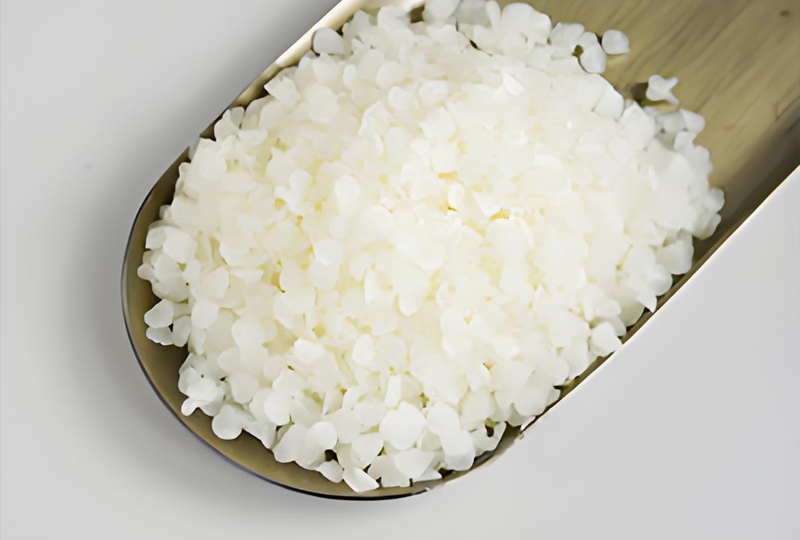
The wax base dictates burn time, fragrance throw, container adhesion, and how well a printed label or embedded photo holds up over time. Soy wax, by far the most popular choice in the memorial segment, offers a clean burn, excellent fragrance‑holding capacity, and a soft surface that accepts photo decals well. It has a melting point around 120–130°F, which means it stays stable in moderate shipping conditions. Soy wax also carries a strong eco‑friendly market signal, appealing to the values‑driven segment of memorial buyers.
Paraffin wax delivers a sharper hot throw and can be poured into highly detailed molds, making it ideal for custom candle molds that produce intricate angel or paw shapes. However, its higher melt point (up to 160°F) and petrochemical origin make it a harder sell in the premium sympathy market. Coconut wax burns even cleaner than soy and holds fragrance exceptionally well but costs roughly 30% more per pound, pushing retail prices into the luxury tier. Beeswax brings a natural honey scent and a long burn time but limits dye and fragrance customization, confining it to narrow use cases like religious memorials.
| Wax | Melt Point | Cost | Scent Throw | Shelf Life | Photo Adhesion | Eco‑Signal |
|---|---|---|---|---|---|---|
| Soy | 120–130°F | Moderate | Good (cold) | 12–18 mo | Excellent | Strong |
| Paraffin | 130–160°F | Low | Strong (hot) | 24–36 mo | Moderate | Weak |
| Coconut | 120–130°F | High | Excellent | 18–24 mo | Very Good | Strong |
| Beeswax | 144–150°F | High | Mild (natural) | 36 mo+ | Limited | Very Strong |
For a wholesale memorial line that balances cost and market appeal, soy wax remains the recommended anchor. Blend in 10–20% paraffin only when the design demands sharp mold detail. Reserve coconut and beeswax for limited‑run luxury collections that target high‑end gift shops.
The container does more than hold wax; it becomes a permanent keepsake long after the candle is gone. Cement vessels now grip over 25% of the memorial candle market, driven by their ability to accept etched text and their cool, weighted feel that signals permanence. Cement costs roughly $1.50–$3.00 per unit in bulk and tolerates wide temperature swings during shipping.
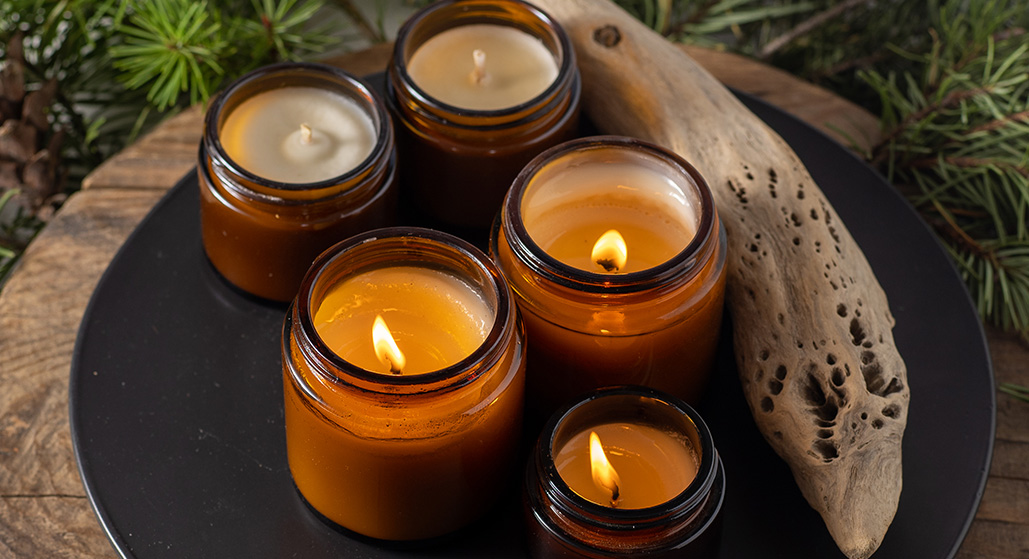
Glass allows embedded photo decals and full‑color label wraps that cement cannot match. It’s the default choice for glass candle jars used in celebration‑of‑life events where a vivid portrait matters most. Ceramic offers the widest design range — from classic urns to modern matte finishes — but carries a higher minimum order quantity (typically 500+ units) and a 15–20% cost premium over glass. Metal tins excel in pet memorial kits because they are lightweight, stackable, and unbreakable, though they limit the visual personalization to printed labels rather than embedded images.
| Material | Unit Cost (Bulk) | Customization | Durability | Typical MOQ | Best For |
|---|---|---|---|---|---|
| Cement | $1.50 – $3.00 | Engraving, slight texture | Very high | 200 – 500 | Modern keepsakes, pet memorials |
| Glass | $0.80 – $2.00 | Decals, full‑color wraps | Moderate | 100 – 300 | Photo‑forward sympathy gifts |
| Ceramic | $2.50 – $5.00 | Glazing, embossing | High | 500 – 1,000 | Classic urns, luxury sets |
| Metal tin | $0.50 – $1.20 | Printed labels | Very high | 500 – 2,000 | Travel, pet memorial, value kits |
Stock at least two container types. Glass plus cement covers the broadest buyer intent — immediate visual impact for sympathy purchases and long‑term keepsake appeal for pet and family memorials.
A wick choice influences burn consistency, flame height, and even sound. Wooden wicks create a subtle crackle that many buyers associate with quiet remembrance. They burn slightly hotter than cotton, which can accelerate scent release in larger diameter jars. Wood wicks outperform cotton by 15–20% in burn duration when sized correctly, making them a premium feature that justifies a higher shelf price.
Cotton wicks remain the industry workhorse. They are predictable, widely available, and compatible with every wax type. Pre‑waxed cotton wicks add a thin wax coating that stiffens the wick, simplifying assembly and improving first‑light reliability — critical for gift candles that may sit on a shelf for months before use.
For memorial lines, offer wood as an upsell option and use pre‑waxed cotton as the standard. Avoid uncoated cotton in keepsake products; its tendency to slump in soft wax can lead to inconsistent burns that damage the emotional experience you are selling. Source wicks from a single supplier to maintain diameter tolerance within ±0.5 mm, a detail that directly impacts safety and customer satisfaction.
When scaling a memorial candle program, five sourcing checkpoints determine whether a supplier can deliver repeatable quality under seasonal pressure. First, minimum order quantities (MOQs) by component: wax and wick suppliers often require as little as 10 kg and 100 units, while custom containers can demand 500+ pieces. Negotiate MOQs that align with your planned product tiers — lower for glass, higher for cement.
Second, lead times. Standard production runs on neutral vessels require 2–3 weeks; custom engraving or mold creation extends that to 4–6 weeks. Build a 15% buffer for freight delays during Q4. Third, quality‑control protocols: request batch‑burn test records, including burn time, flame height variance, and sooting scores. Fourth, packaging options — vacuum‑sealed bags extend soy wax shelf life past 18 months, while aluminum foil wraps reduce fragrance evaporation. Fifth, sample policies. A supplier that can deliver a personalized sample within 7 business days demonstrates the agility you need in the sympathy gifting space, where orders often arrive with a one‑week deadline.
Work only with manufacturers who provide a certificate of analysis for fragrance oils and a clarity report on wick‑wax compatibility. These documents are not bureaucratic checkboxes; they are your shield against returns and negative reviews in a category where product failure carries emotional weight.
Memorial candle sales follow a distinct seasonal rhythm that differs from the broader candle market. Mother’s Day and Father’s Day drive the first revenue spike in April and May, with customers seeking remembrance pieces for deceased parents. Pet memorial Day (June) and fall remembrance holidays create a second wave, while October through December sees sympathy gift orders tied to family gatherings and year‑end memorials. Easter and All Souls’ Day add smaller but steady peaks in faith‑based markets.
| Peak Period | Recommended Products | Order Lead Time | Expected Sales Uplift |
|---|---|---|---|
| April – May (Mother’s Day, Father’s Day) | Rose‑shaped candles, photo glass jars, “Mom/Dad” text wraps | Start Feb 15 | 45–60% |
| June (Pet Memorial, graduations) | Paw‑print molds, cement keepsakes, metal tins | Start April 1 | 30–40% |
| Oct – Dec (All Souls’, Christmas) | Angel molds, candle gift sets, luxury ceramic urns | Start Aug 1 | 50–70% |
| Year‑round (anniversaries, sympathy) | Standard photo‑label soy jar, pre‑waxed cotton wick | Maintain 4‑week safety stock | Baseline |
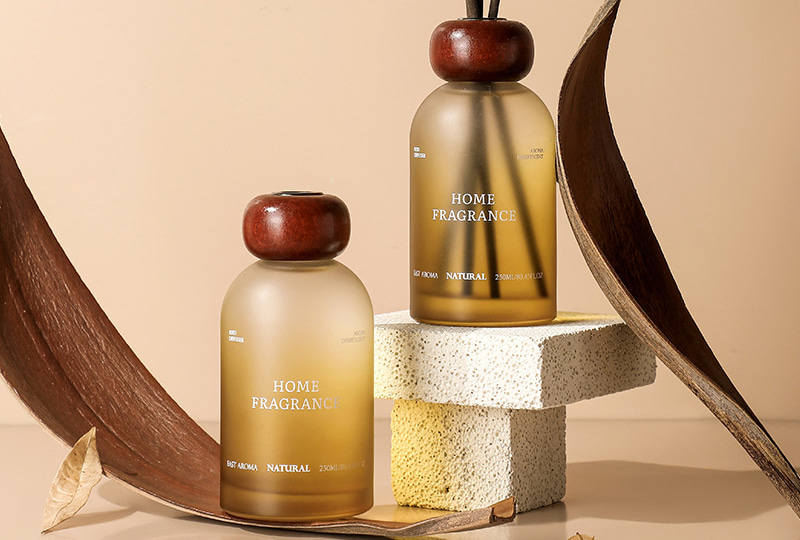
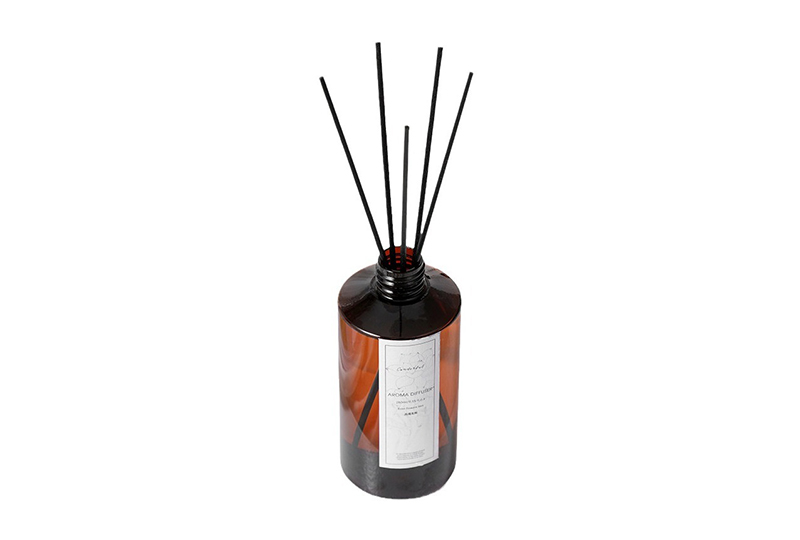
Pre‑stocking the right SKUs 60‑90 days ahead of each peak gives you margin control and avoids air‑freight surcharges. Bundle candles into candle gift sets during the Q4 push — a matched set of memorial candle plus matches or a small diffuser lifts average order value by 25‑35% without requiring new product development.
Launching a memorial candle line follows a five‑step sequence that turns general interest into a stocked inventory. Step one: define your core SKU — choose one wax (soy), one wick (pre‑waxed cotton), one container (glass), and two personalization methods (photo plus text). This minimal starting point validates demand without excess complexity.
Step two: request samples from at least three manufacturers. Ask for burn‑test data and a sample with your chosen personalization applied. Step three: negotiate pricing that accounts for your target retail markup; wholesale unit cost plus personalization should land between $4 and $8 to support a $20–$35 retail price. Step four: order a small batch (50–100 units) to test shipping damage, burn consistency, and customer feedback before committing to MOQ volumes. Step five: build a marketing calendar around the seasonal peaks outlined above and schedule reorders based on 150‑day lead‑time windows.
Reliable suppliers with deep material libraries — from candle waxes and cotton or wooden wicks to finished candles — shorten this timeline considerably. When a supplier owns the raw material chain, customization turnarounds compress and quality control becomes transparent. That vertical integration is what transforms a memorial candle program from a side experiment into a dependable, year‑round profit driver.

Room 1701, Building C1, Wangjing, Xiaoshan District, Hangzhou City, Zhejiang Province, China.

+86-15937257616

Copyright© 2026 Hangzhou Leo Home Trading Co., Ltd. All Rights Reserved.

Luxury Candles Home Fragrance Manufacturers Modern Candles Factory