 English
 Français
News
Home / News / Industry News / Can you mix beeswax and soy wax: Applications, Selection Criteria, and Practical Guidance
Content
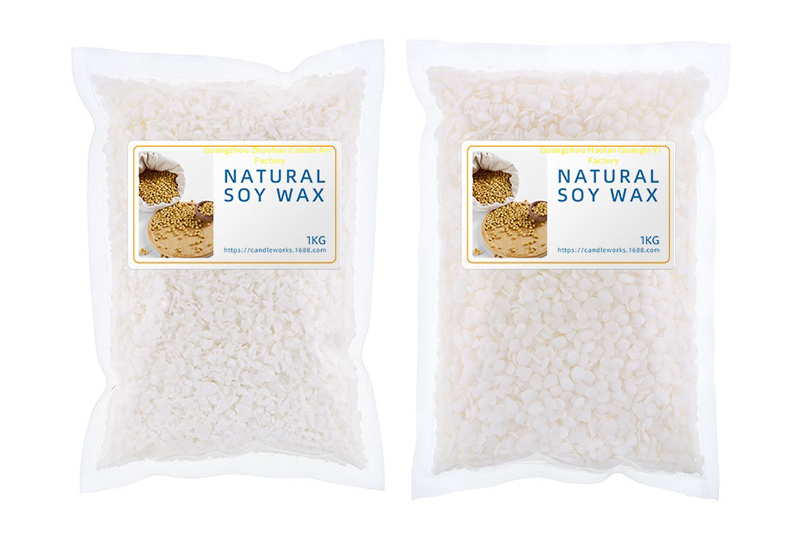
Short answer: yes, you can mix beeswax and soy wax, and a lot of candle makers do it deliberately. The two waxes are fully compatible. Melt them together and they stay blended, with no separation and no chemical reaction. What does change is behaviour: melting point, hardness, colour, scent throw, and the way the finished candle burns. Get the ratio and the wick right, and the blend can outperform either wax on its own. Get them wrong, and you end up with a candle that tunnels, cracks, or smells far weaker than the fragrance load suggests.
After years of shipping wax to studios, small brands, and contract fillers, we have seen the same questions come up again and again. This guide walks through what actually happens when the two waxes meet, which ratios make sense for which products, and the small process details that decide whether your batch looks and burns the way you planned.
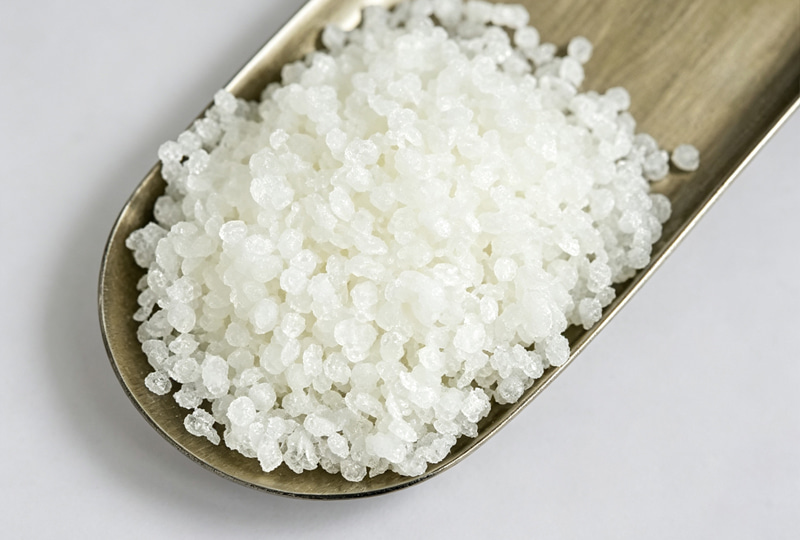
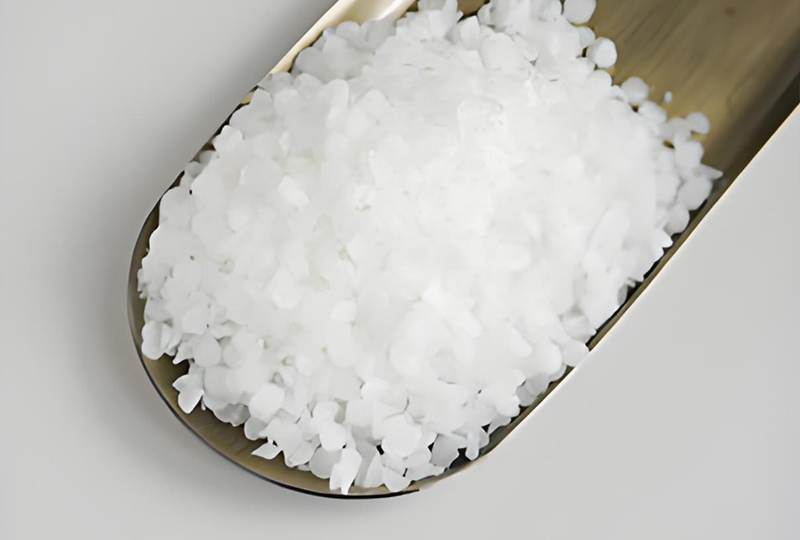
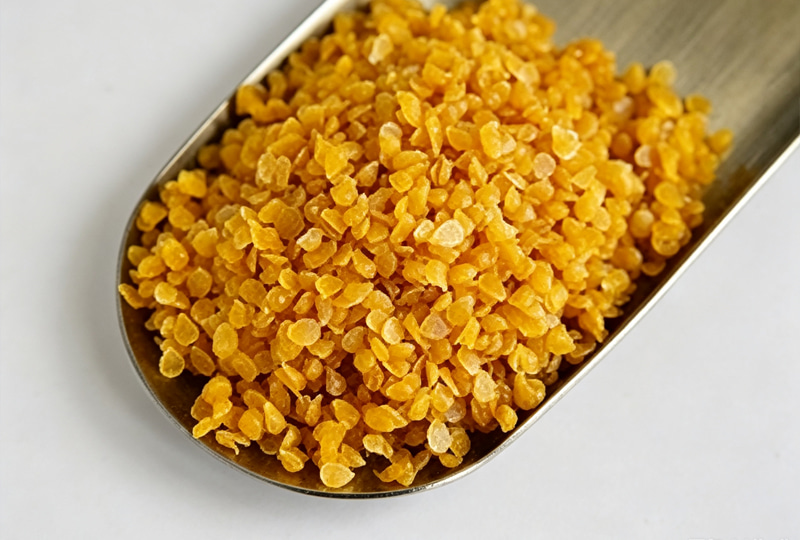
Soy wax is soft, opaque, and fairly low-melting. Beeswax is dense and much harder, with a melting point roughly 12 to 15 degrees Celsius higher. When you blend them, the beeswax acts as a structural backbone while the soy keeps the mixture workable at normal pouring temperatures. The result is a candle that feels firmer to the touch, resists dents in warm rooms, and often has a creamier, more ivory surface than straight soy.
Because both are natural-origin waxes, they behave predictably together. You are not creating an emulsion or a suspension that can split later — you are simply mixing two waxes with different melting ranges. The only real adjustment you must make is thermal: the blend needs a slightly higher pour temperature and a slightly larger wick than a pure soy candle of the same diameter.
The trade-offs are real too. Beeswax needs more heat to release fragrance, so heavy ratios can mute scent throw. It also demands a larger wick and a longer cure. Blending is therefore a balancing act rather than a free upgrade.
The numbers below are typical ranges rather than fixed rules. Every supplier's spec sheet differs, and batch variation is normal with natural waxes.
| Property | Soy wax (container blend) | Beeswax | Blend with ~20% beeswax |
|---|---|---|---|
| Melting point | 48–52 °C | 62–65 °C | 52–58 °C |
| Appearance | Opaque white, soft, matte | Golden to ivory, hard | Creamy ivory, firm surface |
| Scent behaviour | Strong cold and hot throw | Mild honey note, needs heat | Good throw with faint honey undertone |
| Structure | Dents easily in warm rooms | Very hard, holds shape | Firm enough for tins and votives |
| Burn time | Moderate | Long | Longer than pure soy |
| Wick demand | Small to medium | One to two sizes larger | About one size larger |
There is no universal percentage, but these ranges cover most commercial and hobby applications:
For fragrance, 6–8% oil by weight is a sensible starting point. In blends above 30% beeswax, consider staying near the upper end and curing longer, because the harder wax holds aroma compounds more tightly.
Assume you need a bigger wick than pure soy at the same diameter: one size up for a light blend, two for blends above 30% beeswax. Run full three-to-four-hour test burns on at least three candles per batch, trimming the wick to 5 mm before each one. A wick that mushrooms heavily or produces a flame taller than 3 cm is usually too large; one that tunnels or drowns is too small. If you are also switching wick styles, our wooden wick versus cotton wick comparison covers how each behaves in harder wax blends.
Consistency matters more in blends than in single-wax candles, because two materials now have to behave the same way batch after batch. Ask for the melting point, the recommended pour range, and the suggested fragrance load on the spec sheet — and buy beeswax by grade rather than by price alone.
 Multi-Type DIY Candle Wax CollectionCompare soy, beeswax, coconut, and paraffin options with labeled melting points and application notes for consistent blending and material selection.View Product →
For makers who would rather skip the trial-and-error, a ready-to-blend wax base removes most of the guesswork. If you prefer to build your own ratio, start with a clean white beeswax and a mid-melting soy flake so the two melt into each other without a long, hot hold.
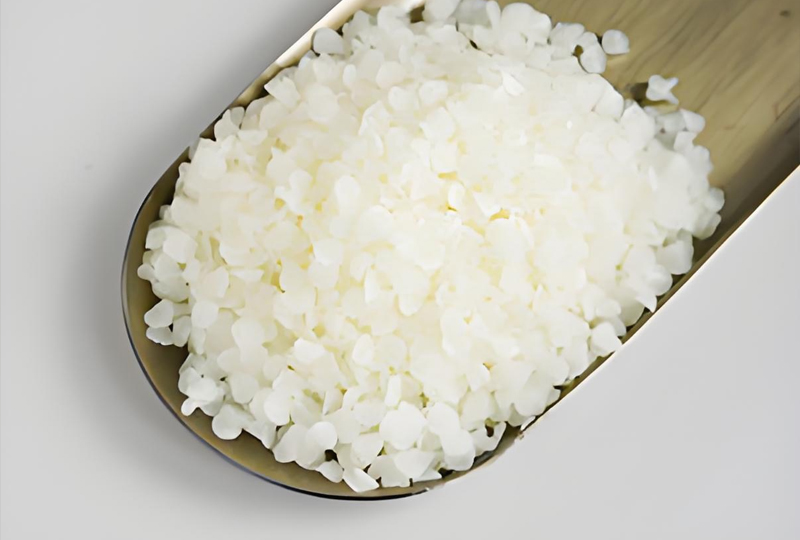 Grade A White Beeswax Candle WaxHigher-purity granular beeswax with a 60°C melting point and 80–85°C pour range, suited to blending, hand-rolled candles, and bright white finishes.View Product →
Soy quality drives the finish of the blend. A consistent flake with a stable melting point gives you repeatable pours, which matters when a retail order runs to thousands of units.
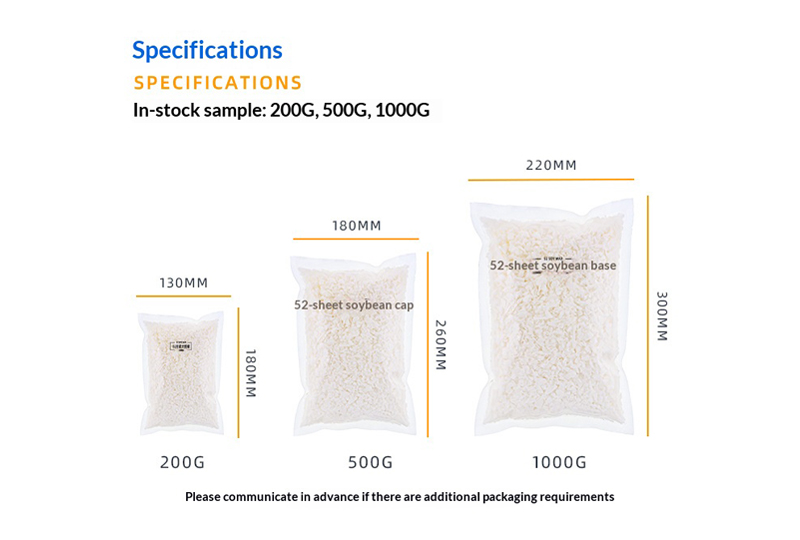
 Soybean Flake Wax Raw Material 52°CPlant-based flake soy wax with a 52°C melting point, designed for consistent melting, blending, and repeatable candle pours in production.View Product →
If you are developing a private-label blend — say 15% beeswax with a specific fragrance system and vessel — our OEM candle customization team can help match wax, wick, and vessel before you commit to a production run.
Blending beeswax with soy wax is one of the simplest ways to tune a candle: a little beeswax fixes a soft top, a little more stretches burn time, and a lot turns soy into something closer to a pillar wax. Keep your percentages recorded, wick up as you increase the beeswax, cure longer than you think you need to, and test every change properly. The blend will repay the patience.

Room 1701, Building C1, Wangjing, Xiaoshan District, Hangzhou City, Zhejiang Province, China.

+86-15937257616

Copyright© 2026 Hangzhou Leo Home Trading Co., Ltd. All Rights Reserved.

Luxury Candles Home Fragrance Manufacturers Modern Candles Factory