 English
 Français
News
Content
- 1 The $6.3 Trillion Wellness Economy: Why Candles Are the New Self-Care Essential
- 2 Beyond Ambiance: How Aromatherapy Candles Address Modern Stress
- 3 Material Matters: Choosing the Right Wax for Your Wellness Candle
- 4 The Container as a Canvas: How Jar Materials Influence the "Wellness" Perception
- 5 The Scent of Success: Top Aromatherapy Fragrance Trends to Watch
- 6 From Concept to Consumer: A B2B Sourcing Checklist for Wellness Candles
- 7 Cost vs. Value: Pricing Your Wellness Candle for Profit
The $6.3 Trillion Wellness Economy: Why Candles Are the New Self-Care Essential
The global wellness economy was valued at $6.3 trillion in 2023. Projections show it reaching $9 trillion by 2028. This isn't a fad. It's a fundamental restructuring of how consumers allocate discretionary income—away from material goods and toward products that reduce stress, improve sleep, and support mental health.
For the candle industry, the shift is profound. No longer are candles merely home décor. Market reports now categorize scented candles directly under wellness and aromatherapy segments. Grand View Research notes that the global aromatherapy market itself is expanding rapidly, and candles claim an outsized share of that growth. The reason: they combine the tactile ritual of fire with the immediate psychological effect of scent.
According to the American Psychological Association, more than 60% of U.S. adults say their stress levels have increased significantly over the past five years. This has translated into a measurable consumer pivot. Search terms like "stress relief candle" and "anxiety candle" have seen triple-digit growth in organic search volume, indicating that the public now views candles as accessible therapeutic tools. The modern candle buyer isn't looking for a decorative object alone; they're purchasing a daily ritual that promises calm, focus, or emotional reset.
This behavioral change creates a structural tailwind for candle brands. But capitalizing on it demands more than a slick label and a lavender scent. It requires a deliberate supply chain and product strategy built around wellness-first principles.
Beyond Ambiance: How Aromatherapy Candles Address Modern Stress
The consumer need driving aromatherapy candle sales is intensely personal. Chronic stress. Insomnia. Digital fatigue. These aren't abstract market segments—they're lived experiences that shape how people spend money on evenings and weekends. A candle that promises "relaxation" connects emotionally with a buyer who has just spent ten hours in back-to-back video calls.
The mechanism isn't mystical. When specific essential oils are inhaled, olfactory signals reach the limbic system—the brain's center for emotion and memory—within seconds. Lavender, for instance, has been clinically shown to lower heart rate and blood pressure. Eucalyptus can sharpen mental clarity. By infusing these oils into a wax medium that releases them slowly over hours, aromatherapy candles provide a sustained, passive therapy session in one's living room.
Leading brands are now formulating candles to match precise mood states, not generic "fresh" or "floral" categories. Based on consumer search data and purchasing patterns, five fragrance pairings dominate the wellness candle landscape:
- Lavender + Cedarwood: Deep relaxation, stress reduction. Ideal for evening wind-down rituals and bed-side tables.
- Eucalyptus + Peppermint: Mental clarity, respiratory comfort. Targeted at home-office workers and morning routines.
- Citrus + Ginger: Uplifting energy, emotional balance. Often chosen for living spaces where social connection happens.
- Sandalwood + Rose: Grounding, romance, luxury self-care. Preferred for bathroom and spa corners.
- Sea Salt + Sage: Cleansing, coastal calm. Appeals to consumers looking for a "purifying" ambiance.
Each pairing goes beyond pleasant smell; it solves a specific emotional problem. When sourcing candles, retailers should stock fragrance portfolios that mirror these psychological benefits, not simply what smells good. This is the heart of the wellness candle proposition: an affordable, accessible, and sensorially rich mental-health aid.
Material Matters: Choosing the Right Wax for Your Wellness Candle
The wax inside the candle isn't just fuel. It's the foundation of the brand's wellness narrative. Consumers reading about "non-toxic," "natural," or "clean-burning" candles expect the actual material to support those claims. A misfire here—like a petroleum-derived paraffin wax inside a candle marketed for mindfulness—will trigger distrust and returns.
Below is a decisive comparison of the four most common waxes used in wellness candles, scored on health perception, performance, and cost:
| Wax Type | Health & Eco Credentials | Burn Time | Scent Throw | Relative Cost | Best For |
|---|---|---|---|---|---|
| Soy Wax | Renewable, biodegradable, clean-burning | 40-50 hours (8 oz jar) | Moderate | Medium | Mass-market wellness brands seeking value |
| Coconut Wax | Sustainable, superior texture, non-GMO | 50-60 hours | Excellent cold & hot throw | High | Premium aromatherapy, luxury lines |
| Beeswax | Natural air purifier, hypoallergenic | 2-3x longer than paraffin | Mild natural honey scent | Very high | All-natural, sensitive audiences |
| Paraffin Wax | Petroleum byproduct, more soot | 30-40 hours | Strong | Low | Budget-oriented, non-wellness positioning |
The sweet spot for most wellness-focused brands is a soy-coconut blend. It delivers the clean-burning story that health-conscious buyers demand while boosting scent throw and burn time—two factors that directly influence repeat purchases. Pure soy can sometimes suffer from poor cold throw in larger rooms; coconut wax compensates for this without compromising the natural narrative.
However, the wax choice must integrate with the wick and vessel. A natural wax in a poorly designed container won't perform well. In the next section, we examine how vessel materials complete the wellness loop.
The Container as a Canvas: How Jar Materials Influence the "Wellness" Perception
Consumer research shows that the container's look and feel can account for up to 40% of the perceived value of a candle. Wellness shoppers, in particular, bring heightened tactile and visual expectations: they want something that looks and feels as calming as the scent it will release.
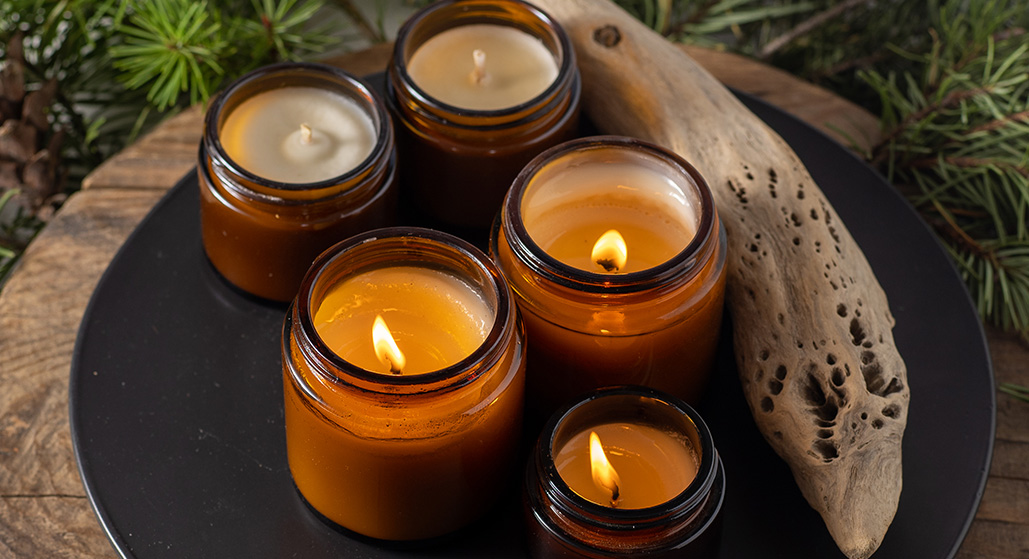
Four materials dominate the wellness candle vessel market, each carrying distinct psychological cues:
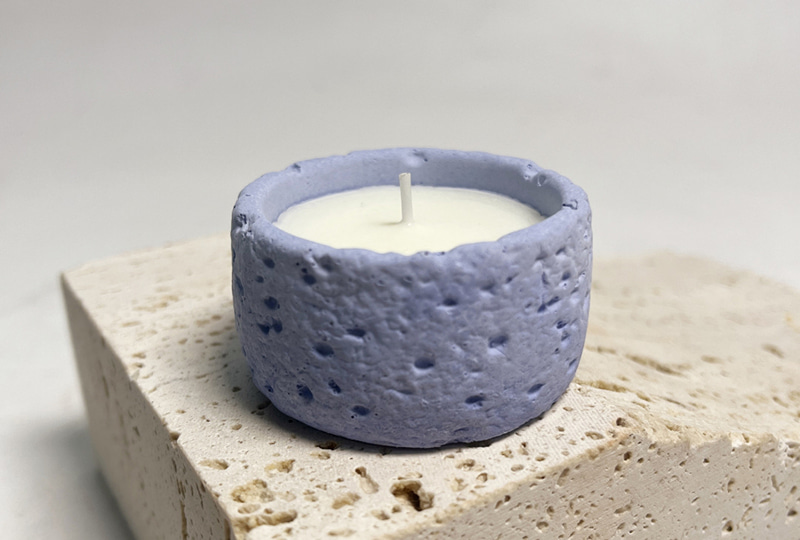
- Cement: Raw, earthy, grounding. Cement candle vessels immediately evoke a spa or minimalist retreat. They retain heat well and provide a sturdy, masculine counterpoint to soft wax textures. Excellent for unisex or spa-inspired lines.
- Ceramic: Refined, artisanal, high-end. Ceramic candle vessels can be hand-glazed in muted Wellness palette colors—sage green, blush, off-white—signaling a boutique, handcrafted product. They hold scent throw evenly and are perceived as ultra-premium.
- Glass: Pure, transparent, universal. Clear glass allows the wax color and wick to be seen, which builds trust. Frosted or colored glass adds mystery but remains classic. It's the safest choice for mass-market wellness.
- Metal: Modern, cool, industrial. Tin vessels are lightweight, shatterproof, and ideal for travel or outdoor wellness rituals. They convey a utilitarian, "unplugged" lifestyle but lack the warmth of natural materials.
The right vessel elevates the entire wellness story. A lavender + cedarwood candle poured into a rough-hewn cement jar creates a sensory continuum that a plain glass jar cannot match. Brands that ignore vessel strategy leave perception—and margin—on the table.
The Scent of Success: Top Aromatherapy Fragrance Trends to Watch
Aromas are like fashion: cyclical but also responsive to global mood shifts. Current data from fragrance oil suppliers and social media trend analysis reveals which notes are gaining traction in the wellness candle space. The unifying theme? Complex, grounded, and intentional scent profiles, not simple candy or bakery scents.
Below are the trends defining aromatherapy candles in the current market:
- Forest Bathing (Shinrin-Yoku): Pine, cypress, moss. Inspired by the Japanese practice of forest immersion, these candles promise reconnection with nature. Perfect for eco-conscious, outdoor-oriented audiences.
- Herbal Apothecary: Rosemary, thyme, chamomile. Gives a clean, medicinal, almost culinary freshness. Appeals to consumers who want "therapeutic" without floral sweetness.
- Earthy Gourmand: Vanilla + tonka bean + sandalwood. A warm, grounding sweetness that avoids cloying. Taps into comfort-seeking and late-night wind-down routines.
- Spiced Citrus: Bergamot, cardamom, pink pepper. Energy without aggression. These blends are becoming the go-to for "morning motivation" and creative workspaces.
- Marine Minerals: Ozone, sea kelp, driftwood. The oceanic scent is rising sharply in popularity, tied to the concept of "deep breathing" and mental clarity. Often paired with spa-themed vessels.
Progressive brands no longer rely on single-note candles. Instead, they build signature blends that tell a story—like "Coastal Retreat" or "Meditation Garden"—and align the vessel color, wax type, and even wick material with that narrative. The result is a multi-sensory product that commands a higher price point and deeper loyalty.
From Concept to Consumer: A B2B Sourcing Checklist for Wellness Candles
Shifting from opportunity to execution requires a supplier capable of delivering on the wellness promise at every level. Beyond a trendy catalog, the right manufacturing partner should demonstrate reliability, compliance, and a deep understanding of materials. Here's a practical checklist to vet potential suppliers:
- Wax Certification: Does the supplier provide origin and purity documents for soy, coconut, or beeswax? Certifications like non-GMO, organic, or RSPO are strong trust signals.
- Fragrance Safety Data Sheets (SDS): Every essential oil or fragrance oil must come with a current SDS and IFRA compliance certificate. Missing documentation is a red flag.
- Minimum Order Quantity (MOQ): Can the supplier accommodate your scale? A reasonable MOQ for custom wellness candles typically ranges from 500 to 2,000 units. Negotiate based on vessel and wax complexity.
- Sample Lead Time: How quickly can you receive a finished sample? Suppliers serious about partnership will deliver samples within 10-15 business days. Slower turnaround often signals disorganization.
- Customization Capability: Can the supplier handle proprietary vessel designs, custom fragrance blending, and unique packaging? A true one-stop partner can manage the entire process, including candle vessels, molds, and labeling.
- Production Consistency: Ask for batch records or third-party lab tests. The wax blend, fragrance load, and wick must perform identically from batch to batch. Inconsistency kills repeat business.
- Ethical & Environmental Practices: Wellness consumers are hyper-aware of sustainability. Verify that the supplier's packaging is recyclable or biodegradable and that manufacturing waste is minimized.
Running through this checklist before signing a purchase order will save your brand from costly reformulations, regulatory surprises, or stock that doesn't reflect the wellness narrative you've promised.
Cost vs. Value: Pricing Your Wellness Candle for Profit
Pricing a wellness candle correctly hinges on understanding cost composition and the premium that consumers willingly pay for a holistic experience. While raw material costs fluctuate, the following table gives a representative breakdown of three common product tiers:
| Product Tier | Materials Example | Estimated Unit Cost (ex-factory) | Suggested Retail Price | Typical Gross Margin |
|---|---|---|---|---|
| Mass Wellness | Soy wax, cotton wick, glass jar | $2.50 – $3.50 | $10 – $15 | 60% – 70% |
| Mid-Tier | Soy-coconut blend, wood wick, cement jar | $4.00 – $6.00 | $18 – $28 | 65% – 75% |
| Premium | Coconut wax, wood wick, hand-glazed ceramic vessel, custom blend | $7.00 – $10.00 | $35 – $50 | 70% – 80% |
The wellness narrative supports a 4-5x markup from factory cost to retail price, sometimes higher for truly differentiated products. This is achievable because the consumer perceives the candle not as a commodity but as a self-care investment. The margins allow for superior packaging, education-centric marketing, and generous returns policies—all of which reinforce the premium brand image.
When negotiating with suppliers, treat the vessel and wax as the primary cost drivers. Switching from imported ceramic to locally sourced cement can shave 15-20% off unit costs without sacrificing the wellness aesthetic. Every dollar saved at the source multiplies at retail.