 English
 Français
News
Home / News / Industry News / Are Wax Melts Safer Than Candles? A Balanced Look at Fire Risk and Indoor Air Quality
Content
Wax melts have quietly earned a reputation as the responsible way to scent a home: no flame, no wick, no soot stains on the wall above the shelf. That reputation is partly deserved. It is also more partial than most shoppers realize, because the question of whether wax melts are safer than candles has two separate answers, one for fire and one for indoor air, and the two do not point in the same direction.
We work with wax, wicks, fragrance oils and warmers every day, so we tend to look at this the way a buyer does: not "which one is good," but "which risk am I choosing, and how much of it can I remove?"
On fire safety, wax melts win almost without argument. No flame means no ignition source, no candle tipping over, no tealight forgotten under a curtain.
On indoor air quality, the gap narrows, and in some measurements it flips. In February 2025, the American Chemical Society reported that scented wax melts may not be as safe for indoor air as initially thought, and that they can release more airborne scent compounds than traditional candles. A peer-reviewed study titled "Flame-Free Candles Are Not Pollution-Free" reached a similar conclusion from a different angle: melting scented wax generated substantial numbers of airborne nanoparticles, at concentrations the authors compared with combustion sources.
Neither finding turns an ordinary warmer into a hazard. What they do show is that "flame-free" and "pollution-free" are not the same claim, and that the fragrance, not the flame, is what shapes the air in the room.
A candle is a small controlled fire. It needs a wick, oxygen and fuel that burns hot enough to break wax molecules apart. When combustion is incomplete, whether from an overgrown wick, a draft or a poorly balanced blend, the result is soot, black carbon and fine particulate matter, plus the familiar grey smudge on the ceiling.
A wax melt does none of that. The warmer, whether it uses a tealight or a low-wattage electric element, heats the wax indirectly until it liquefies and releases fragrance. There is no wick to trim and no combustion to go wrong, which removes the two accidents that cause most candle incidents: something falling into the flame, and someone leaving the room and forgetting. Households with toddlers, cats that jump on shelves, or a habit of falling asleep mid-evening usually find this the decisive advantage.
The wick is where a surprising share of candle emissions begins, and wick choice changes the picture more than most people expect, as we explain in this comparison of wooden wicks versus cotton wicks.
Three factors explain why a melt can put more scent compounds into the air than a burning candle.
The compounds that escape are largely terpenes such as limonene and linalool. In indoor air they can react with ozone to form secondary organic aerosols and ultrafine particles. That chemistry sits behind the nanoparticle findings, and it applies to scented candles too. It simply tends to run faster when the fragrance load is higher and the wax is never exposed to a flame.
| Factor | Burning candle | Wax melt in a warmer |
|---|---|---|
| Heat source | Open flame at the wick | Indirect heat from tealight or electric element |
| Open flame | Yes | No |
| Soot and black carbon | Common, worse with untrimmed wicks | Minimal in normal use |
| Airborne scent compounds | Released, part destroyed by flame | Often higher, because fragrance load is higher |
| Ultrafine particles | Formed during burning | Can also form, sometimes at comparable levels |
| Scent control | Fixed once lit | Easy to adjust by adding or removing wax |
| Cost per hour | Higher | Lower |
| Accident risk near children and pets | Higher | Lower |
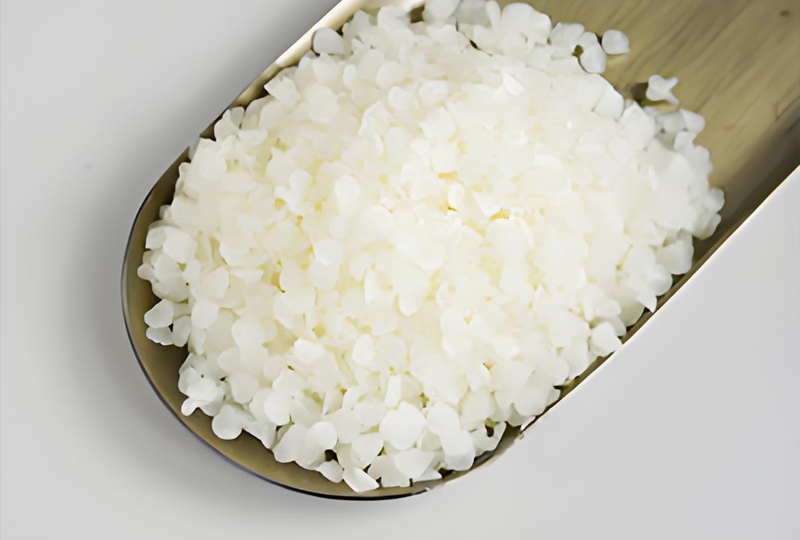
Soy, coconut, beeswax and their blends melt at lower temperatures and pool more evenly, which makes it easier to keep a warmer from running hot. Paraffin is not automatically unsafe, and in everyday use the wax base is usually a smaller variable than the fragrance sitting inside it.
Higher oil percentages mean more terpenes available to evaporate. Phthalate-free oils with IFRA-compliant documentation give you a traceable starting point, and a moderate load often smells just as strong in a normal-sized room.
A tealight warmer can run noticeably hotter than a small electric warmer. Hotter wax volatilizes faster, emits more per hour, and risks scorching, which is why a gentle, steady heat beats a fast melt.
A single cube in a small, closed bedroom for four hours produces a very different concentration than the same cube in an open living room for one hour. Start small, ventilate, and let the room tell you what it can take.
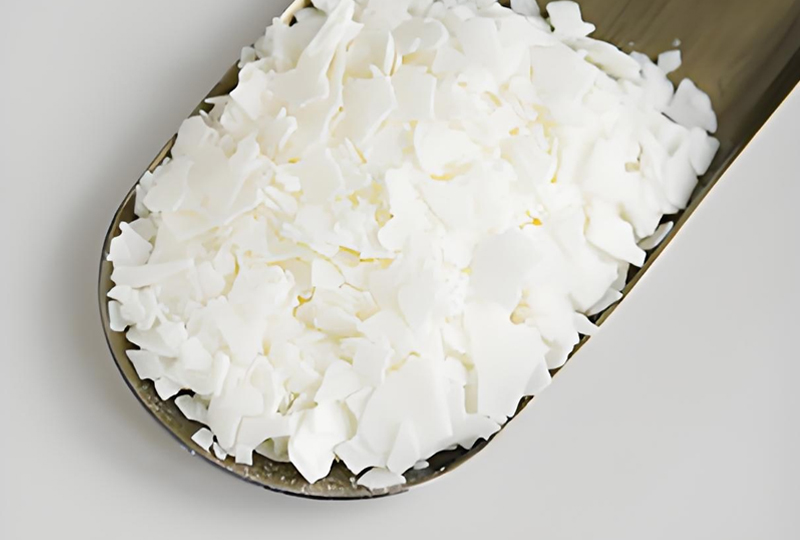
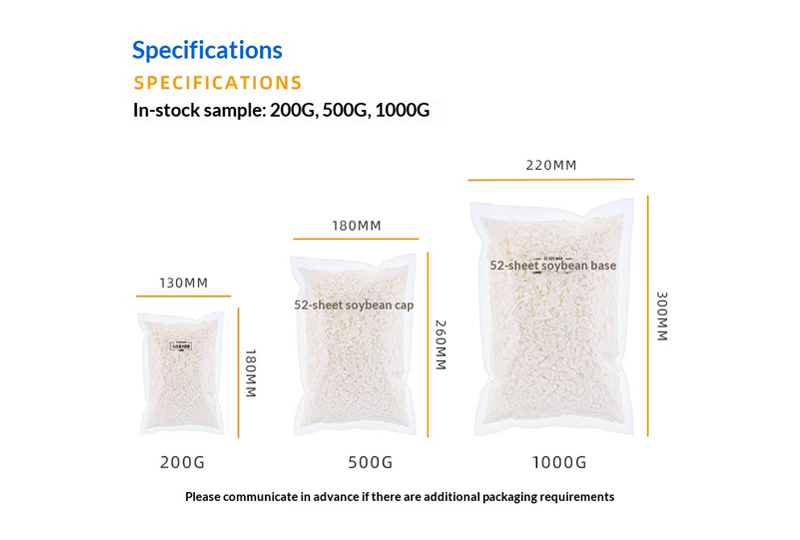 Multi-Type DIY Candle Wax — Soy, Beeswax, Coconut & ParaffinA comprehensive wax collection covering the major wax types used in modern candle making — soy flake, white beeswax, yellow beeswax, natural coconut wax, surface decor...View Product →
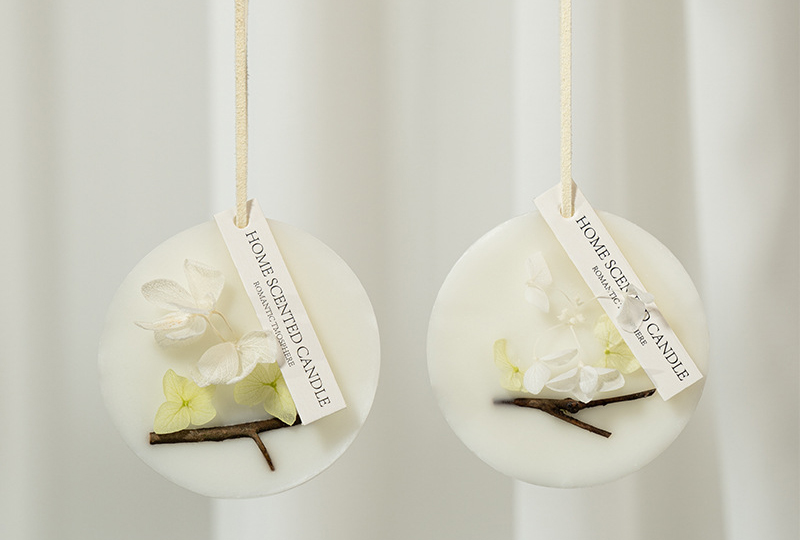
If the goal is to avoid both a flame and airborne particle formation, the cleanest route is to remove the heating step entirely. Scented tablets, pressed from soy wax or cast in gypsum, release fragrance passively at room temperature in a closet, a drawer, a bathroom or a car, with no warmer, no electricity and no plume of volatilized oil.
 Embossed Floral Scented TabletsInfuse your space with delicate, long-lasting fragrance using our Embossed Floral Scented Tablets, exquisitely crafted with raised rose motifs and subtle brand detaili...View Product →
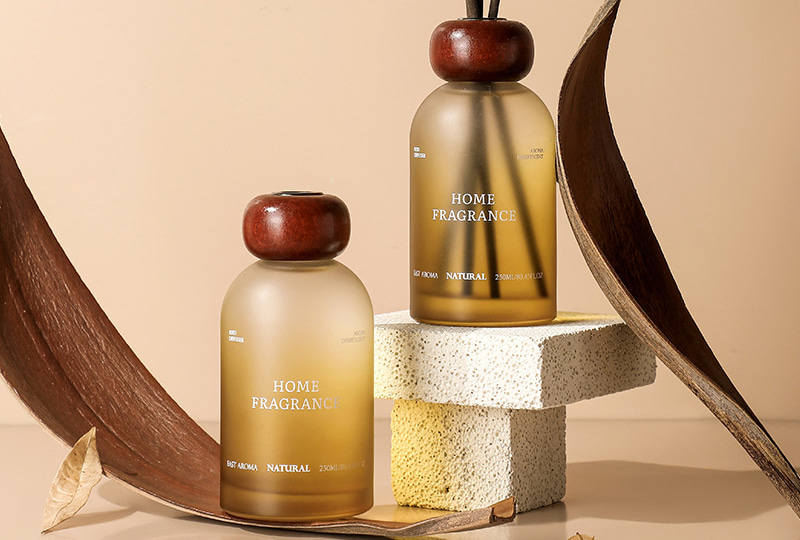
Reed diffusers follow the same passive principle on a larger scale. They scent a room slowly and continuously, and because there is no heat and no combustion, the emission rate stays low and predictable from day to day.
For bedrooms and offices where an open flame is not an option and you would rather skip heat altogether, an ultrasonic diffuser is a practical middle path. It disperses a few drops of oil in water at ambient temperature, adds a little humidity, and usually shuts itself off on a timer, so nothing is left running.
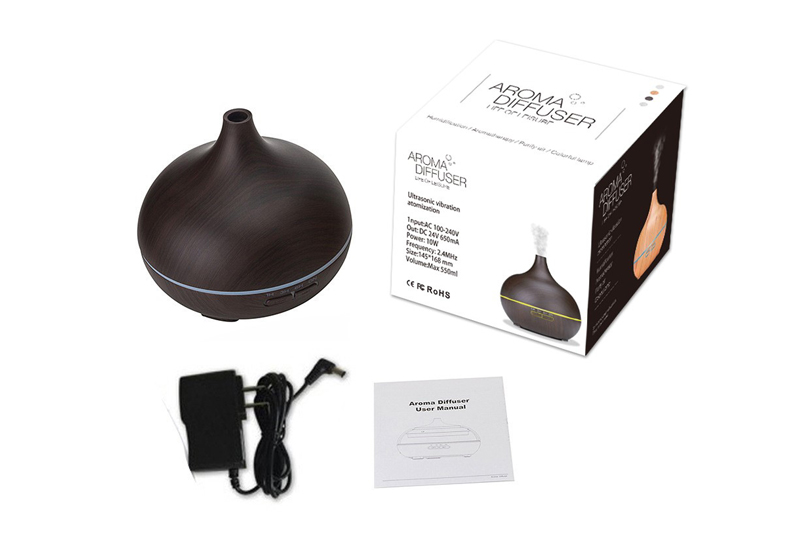 Wood Grain 550ML Ultrasonic Diffusers HumidifierThe Wood Grain 550ML Ultrasonic Diffusers Humidifier combines modern ultrasonic atomization technology with a natural wood-grain appearance, creating a product that fu...View Product →
The question changes shape when you are sourcing rather than shopping. Instead of asking whether melts are safer, buyers we work with ask suppliers for four things: the wax base and its melt point, the fragrance load percentage, safety documentation for the oils, and the recommended warmer wattage for the product. Those four answers predict indoor emissions far better than any marketing claim on the label.
We sit on both sides of that equation. Our range covers finished scented candles and melts alongside the wax, wicks, vessels and fragrance oils behind them, and our quality checks run from raw material selection through finished-goods inspection. That means a buyer can compare a soy or coconut blend against a paraffin one, test a lower fragrance load against a stronger version, and match each product to the warmer temperature it was actually designed for.
Wax melts are safer than candles in the ways that cause house fires and soot damage, and they are not automatically safer in the ways that affect indoor air. Used with ventilation, moderation and a fragrance load you can trace, they remain a reasonable choice for most homes. For anyone who has ever walked out of a room with a candle still burning, they are the easy winner.

Room 1701, Building C1, Wangjing, Xiaoshan District, Hangzhou City, Zhejiang Province, China.

+86-15937257616

Copyright© 2026 Hangzhou Leo Home Trading Co., Ltd. All Rights Reserved.

Luxury Candles Home Fragrance Manufacturers Modern Candles Factory