 English
 Français
News
Home / News / Industry News / Additives for Candle Making: How to Improve Scent Throw and Burn Quality
Content
Ask ten candle makers what goes into a wax pot and you will get ten different answers. Ask them how they get a candle to smell strong on the cold sniff and still fill a room three hours after lighting, and most will mention the same small group of ingredients: additives for candle making that quietly do the heavy lifting behind scent, structure and finish.
Additives are never the main event. They are used in tiny percentages, often between 0.5% and 5% of the wax weight, yet they decide whether a pillar releases cleanly from its mould, whether a soy container candle sets with an even top, and whether the colour you approved in the sample room still looks the same after three months on a shop shelf.
Below we walk through what each additive does, how much to use, and where makers most often go wrong. The guidance comes from the work our team does every day: sourcing waxes, wicks, vessels and fragrance oils for candle studios and private-label brands shipping to North America, Europe and the Middle East.
A candle additive is any ingredient other than the base wax itself that is blended in to change how the finished candle behaves: how it smells, burns, looks and holds up over time. Fragrance and dye are sometimes grouped with additives, but in most formulating conversations the word means a functional ingredient such as a hardener, a polymer, an oil or a stabiliser.
Fragrance oil does not simply dissolve into wax. A good part of it sits in the spaces between wax crystals, and when those crystals are soft or the oil load is high, the fragrance migrates to the surface as oily beads or a wet film. Polymer additives such as Vybar build a finer crystal structure that holds fragrance more effectively, which is why they are a standard fix for sweating candles and weak hot throw.
Hardening additives raise the melting point and the mechanical strength of the wax. That matters for pillars that have to stand tall in summer, votives that must release from a mould without cracking, and melts that should snap cleanly out of a clamshell. Stearic acid, microcrystalline wax, beeswax and polyethylene all belong to this group.
Mottling, frosting, air bubbles and faded dye are all finish problems with additive solutions. Vybar smooths out mottling in paraffin, stearic acid gives a dense opaque white, and a UV stabiliser slows the photo-degradation that turns a bright red candle pink after a few weeks under shop lighting.
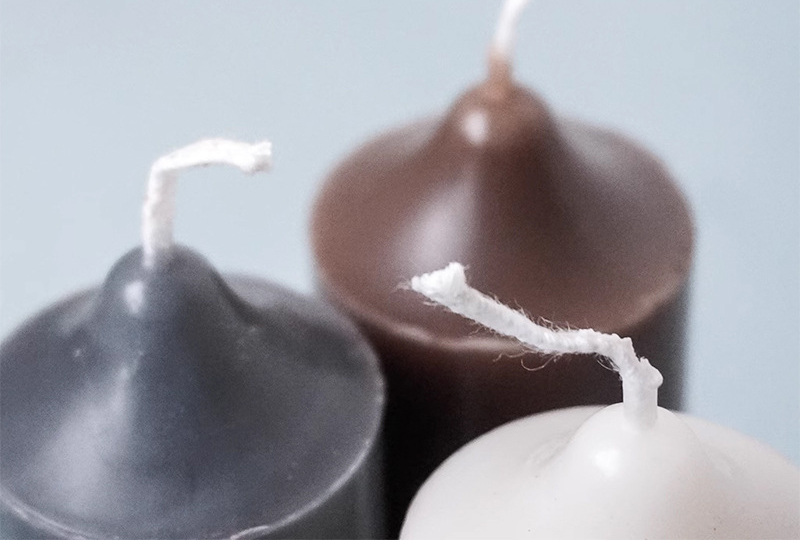
Additives influence the flame as well. Harder wax generally burns more slowly, which can stretch burn time, but an over-hardened wax can starve the wick and cause tunnelling, a shrinking melt pool and soot. Any change to your additive load should therefore be followed by a fresh wick test rather than an assumption.
These are the additives most makers keep within reach, together with the roles they play and the starting doses used in testing. Treat the numbers as a launch point for your own trials rather than as fixed rules.
| Additive | Main benefit | Typical starting dose | Best suited to |
|---|---|---|---|
| Vybar 103 / 260 | Binds fragrance, reduces mottling, adds hardness | About 0.5–1% (roughly 1 teaspoon per pound) | Paraffin and paraffin blends with heavy fragrance loads |
| Stearic acid | Hardens wax, improves mould release, opaque finish | 1–3% (roughly 1–3 teaspoons per pound) | Pillars, votives, tarts and wax melts |
| Microcrystalline wax | Raises melt point, improves scent retention | 1–2% | Wax melts, pillars, warm-climate shipping |
| UV stabiliser | Slows dye fading under light | 0.1–0.5% | Coloured candles and retail displays |
| Coconut oil | Softens wax, smoother tops, better cold throw | 1 teaspoon to 1 tablespoon per pound | Soy and coconut container candles |
| Beeswax | Hardens naturally, extends burn, warm natural tone | 1–2 tablespoons per pound | Soy blends and natural product lines |
Both grades are polymers designed to hold fragrance and control crystal structure. Vybar 103 is generally chosen when a maker wants to keep some mottled, translucent character in the wax, while Vybar 260 is the standard pick for smooth, opaque candles carrying a high fragrance load. Dose both at roughly one teaspoon per pound to begin with, and remember that Vybar was developed with paraffin in mind.
Stearic acid is inexpensive, effective and easy to overdo. At 1–3% it firms paraffin, sharpens mould release and delivers a clean opaque white. Push it higher in a soy blend and you risk frosting, poor glass adhesion and a brittle surface that chips at the rim of the jar.
A UV stabiliser is the smallest dose on this list and one of the most useful for anyone selling coloured candles through retail. Add it while the wax is melting so it disperses evenly, and keep the dose modest; it prevents fading, but it will not rescue a dye that was incompatible with the wax in the first place.
The base wax usually decides which additive will help and which will fight you. A short map of the common pairings:
Paraffin accepts additives most willingly. Stearic acid and microcrystalline wax handle hardness and opacity, Vybar 260 manages fragrance retention and mottling, and a small percentage of polyethylene adds rigidity for moulded shapes.
Soy is softer and more brittle than paraffin, and it frosts easily. Coconut oil and a modest amount of beeswax are the most common adjustments, while polymer hardeners are used sparingly because over-hardening soy tends to hurt adhesion to the container wall and mute the hot throw.
Coconut-based blends already pour smooth and burn evenly. They usually need no hardener at all; if a blend is too soft for warm-climate shipping, a small percentage of microcrystalline wax firms it without dulling the scent.
Beeswax is naturally hard and slow burning, so the additive conversation flips: makers soften it with coconut oil or a soy blend rather than hardening it further.
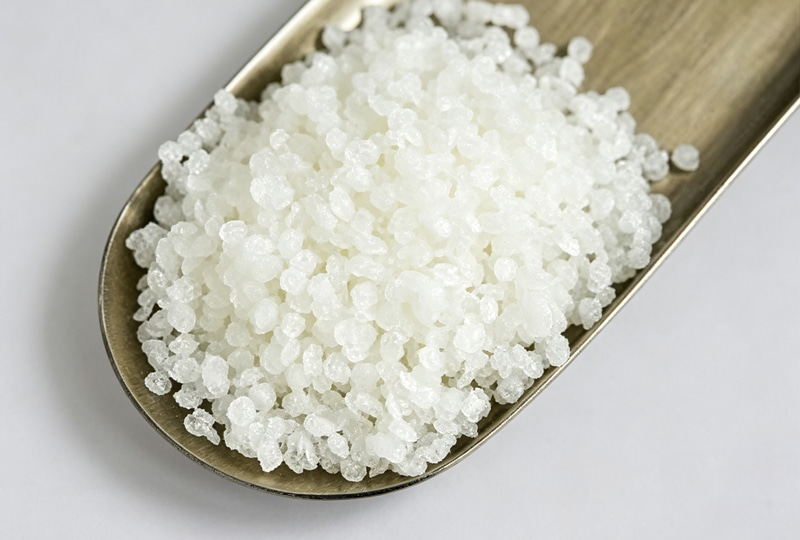
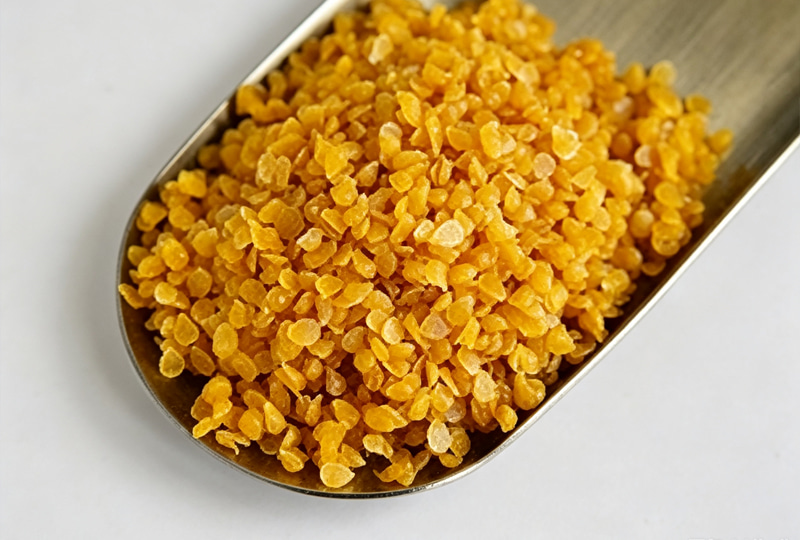
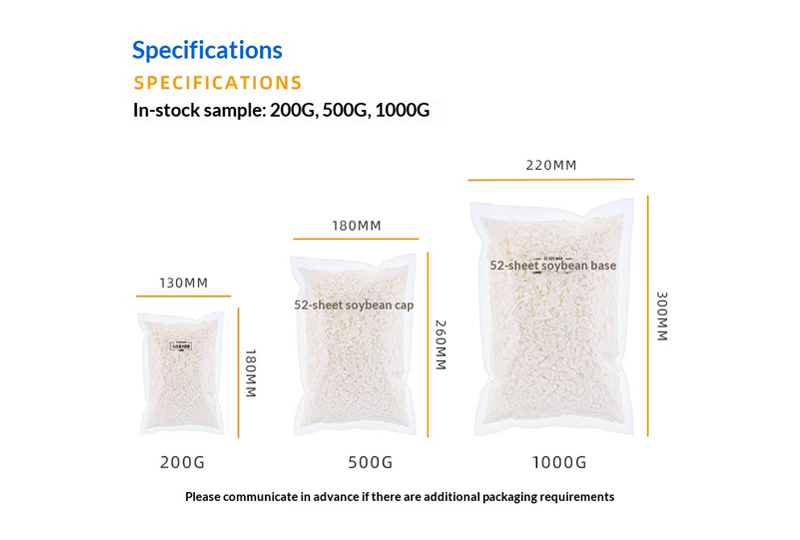 Multi-Type DIY Candle Wax — Soy, Beeswax, Coconut & ParaffinA comprehensive wax collection covering the major wax types used in modern candle making — soy flake, white beeswax, yellow beeswax, natural coconut wax, surface decor...View Product →
A simple workflow keeps batches repeatable:
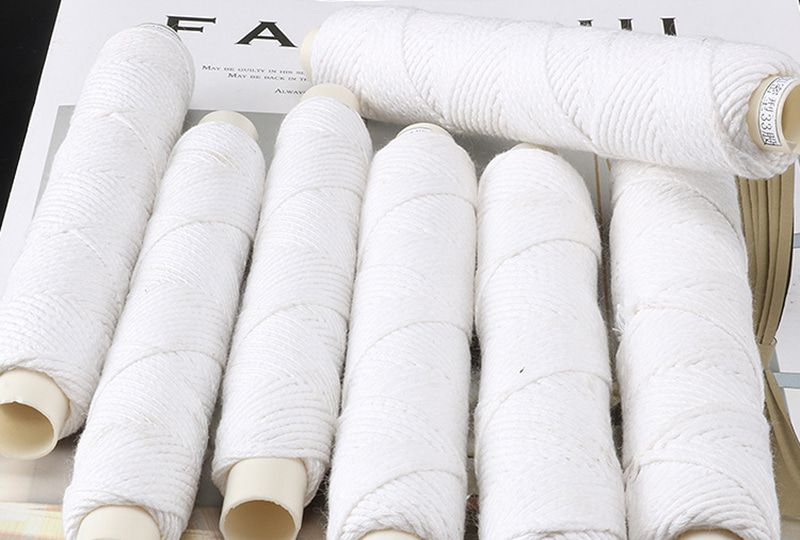
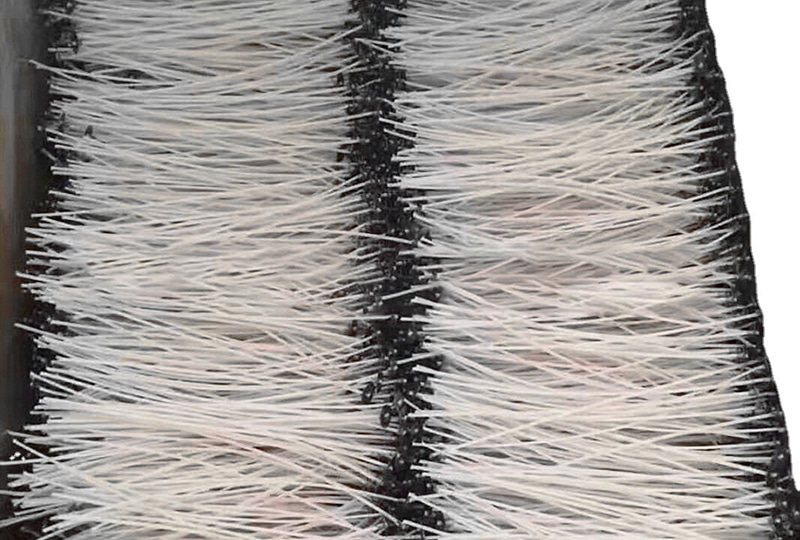
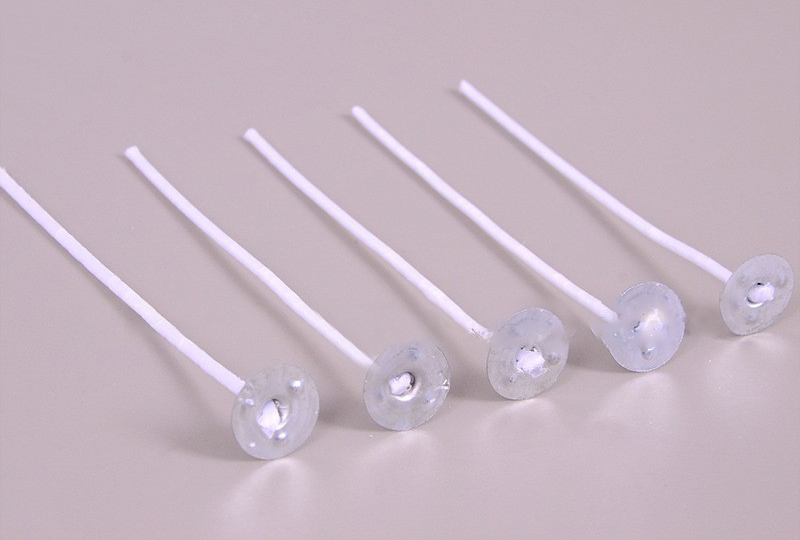
When wax hardness changes, wick choice has to change with it. Wooden wicks and cotton wicks respond differently to a firmer wax, and a wick that burned cleanly in a soft blend may tunnel once you add a hardener.
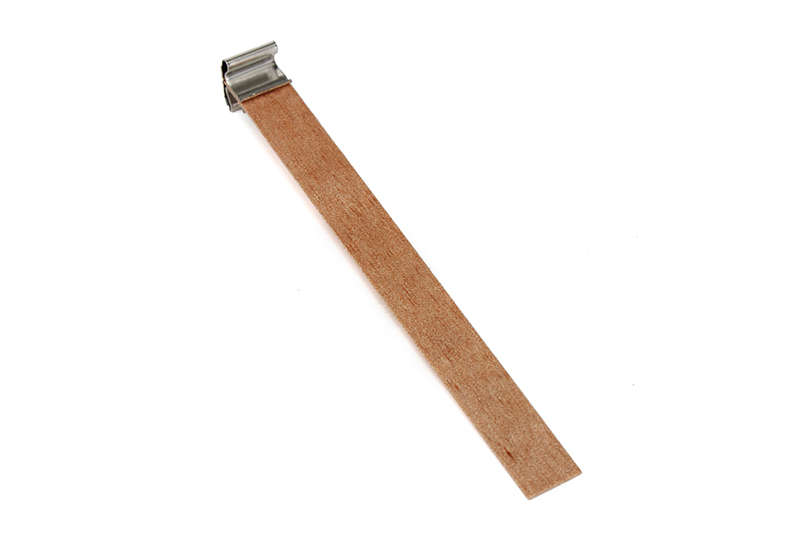 Natural Grain Flat Wooden Candle Wick with Tab BaseA flat wooden wick in natural uncoated wood with a pressed metal tab sustainer base, supplied in multiple width options to suit different candle vessel diameters. The ...View Product →
Everything described above only works if the base materials stay consistent from batch to batch, and that is the part of the chain we handle. Our range covers the full candle-making list: soy flake and pellet wax, paraffin, beeswax and coconut wax; cotton and wooden wicks with tabs and sustainers; cement, glass, ceramic, metal and marble vessels; fragrance and essential oils; moulds, wick trimmers and candle holders.
For brands that want their own product rather than a catalogue item, we run OEM and ODM projects covering container selection, fragrance development, sampling and final packing. Because we buy and ship these materials for customers in more than ten countries, we see the same pattern again and again: makers who test additives in small, measured batches reach the market faster than makers who chase problems after pouring a full run of five hundred jars.
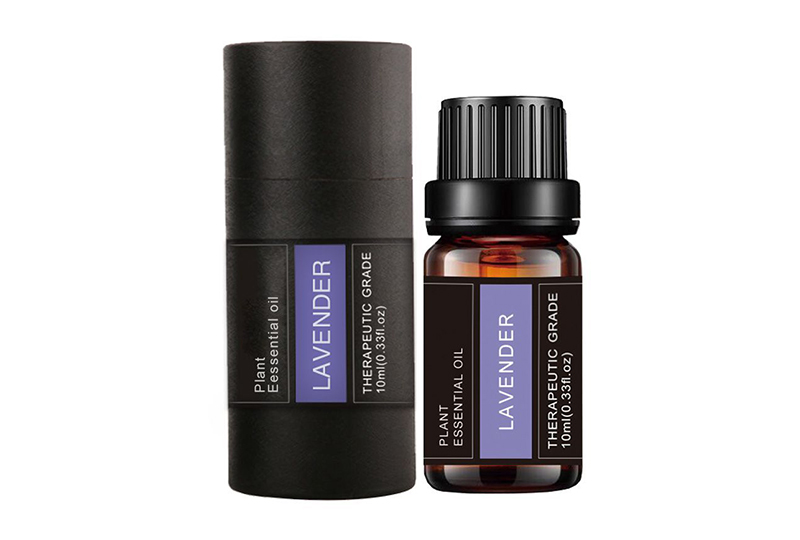 Therapeutic-Grade Single-Note Aromatherapy Essential Oil — 10mlA single botanical essential oil — tea tree and other available species — supplied in a 10ml amber dropper bottle with a cylindrical kraft gift tube, creating a self-c...View Product →
If you are at the testing stage, start with the smallest quantities available, log every dose, and scale only once the burn test repeats itself three times in a row. You are welcome to browse our full range of candle-making supplies and tell us which wax you are working with; we will point you to the additives and wicks that suit it.
No. A well-chosen wax, the right wick and a good fragrance can produce an excellent candle with nothing else added. Additives solve specific problems: sweating, mottling, fading, softness or a burn that will not behave.
Not exactly. Coconut oil softens wax and improves cold throw, so it is a useful tool for soy, but it does not build the crystal structure that a polymer hardener does. Use it as a texture adjustment, not as a fragrance-fixing additive.
Most often the additive load is too high, or the fragrance was added before the hardener had fully dissolved. Both leave fragrance trapped or unevenly bound, which shows up as a strong cold sniff and a weak hot throw.
Waxes, oils and polymers all change slowly over time. Store them sealed, away from direct sunlight and heat, and re-test any material that has been sitting for more than a year before using it in a production batch.
Additives for candle making are small decisions with large consequences, but they are not mysterious. Know what each one does, dose it by weight, test it in the exact container and wick you plan to sell, and you will spend far less time troubleshooting and far more time shipping candles that perform the same way every time.

Room 1701, Building C1, Wangjing, Xiaoshan District, Hangzhou City, Zhejiang Province, China.

+86-15937257616

Copyright© 2026 Hangzhou Leo Home Trading Co., Ltd. All Rights Reserved.

Luxury Candles Home Fragrance Manufacturers Modern Candles Factory